


Addiction Therapy in Houston, TX
Private, trauma-informed therapy for substance use and compulsive behaviors
If alcohol, drugs, or compulsive behaviors are affecting your relationships, health, work, or sense of control, you don’t have to figure it out alone. At Connect Clinical Services, we offer addiction therapy in Houston with licensed clinicians who provide structured, compassionate support grounded in evidence-based methods and trauma-informed care.
Looking for help with substance use specifically? You may also want: Substance Use Therapy in Houston
- In-Person: 8100 Washington Ave, Suite 170, Houston, TX 77007
- Telehealth Sessions Available Across Texas
- Book a Free 15-Minute Consultation Today

The Problem
Is it addiction, substance use, or just stress?
- People use different words to describe what they’re going through. Therapy can help whether you are:
- Questioning your relationship with alcohol or drugs
- Trying to cut back but struggling to follow through
- Noticing consequences (relationships, work, finances, mood, health)
- Feeling stuck in a cycle of craving, use, regret, and “starting over”
- Panic, insomnia, or persistent tension in the body
- Feeling “stuck,” guarded, or unable to relax even when things are safe
You do not need a label to begin therapy. We start with your symptoms, patterns, and goals.
Important safety note: If you are worried about withdrawal or medical risk, consult a medical professional or an appropriate treatment program for safe support
Do I need therapy, IOP, or rehab?
One reason people get stuck is not knowing what level of care is appropriate. Here’s a simple guide:
Therapy (Outpatient)
Often a fit when you:
- have mild to moderate use patterns
- can stay safe between sessions
- have some support and stability
- want help with triggers, cravings, and behavior change
IOP or PHP (Intensive Outpatient / Partial Hospitalization)
May be a better fit when you:
- relapse repeatedly despite trying to stop
- need more structure and accountability
- are using frequently or experiencing strong impairment
Detox or Residential Treatment
May be needed when:
- withdrawal risk is significant
- dependence is severe
- the environment is unsafe or unstable
Not sure where you fall? In your free consultation, we’ll help you choose the safest next step. If a higher level of care is needed, we will recommend options.
What we help with
We provide therapy for a range of substance use and compulsive patterns, including:
Alcohol use and binge patterns
When drinking is tied to stress, anxiety, numbness, or social pressure, therapy can help you identify triggers and build a sustainable plan.
Prescription medication misuse
Therapy can help you address the underlying drivers and support safer coping patterns.
Cannabis, stimulants, or other substances
We focus on triggers, regulation, cravings, routines, and relapse prevention.
Compulsive behaviors (when applicable)
If you struggle with behaviors that feel compulsive or difficult to control, we can help you explore the function of the behavior and build healthier alternatives.
(Only keep this section if you truly treat behavioral addictions.)
If trauma, anxiety, or panic symptoms are part of your story, explore:
- Trauma Therapy in Houston
- PTSD Therapy in Houston
- Panic Attack Therapy in Houston
- Anxiety Therapy
Evidence-based therapy for addiction
Addiction therapy works best when it is practical, structured, and aligned with how your nervous system responds to stress.
Approaches we commonly integrate:
CBT-based relapse prevention
We help you identify:
- triggers (internal and external)
- thought patterns that increase risk
- “permission thoughts” and rationalizations
- coping strategies that work in real-life situations
DBT-informed skills
DBT skills can support:
- distress tolerance (riding out urges)
- emotion regulation (reducing vulnerability)
- interpersonal effectiveness (boundaries and repair)
- mindfulness (getting out of autopilot)
Trauma-informed care (when relevant)
Many people use substances or compulsive behaviors to manage unresolved trauma, shame, or overwhelm. We move at a safe pace and focus on stabilization first, then deeper work when appropriate.
Related: Trauma Therapy in Houston
Somatic and nervous-system regulation
Cravings and relapse risk often rise when the body is dysregulated. Therapy can include body-based strategies to support sleep, regulation, and resilience.
Neurofeedback
When appropriate, neurofeedback may support regulation, sleep, and focus alongside therapy.
Related: Neurofeedback Therapy
Which approach is right for you?
In your consult and intake, we match care to your pattern and goals.
If cravings spike under stress or anxiety
→ CBT/DBT skills + nervous-system regulation
Related: Anxiety Therapy
If use is connected to trauma triggers or emotional shutdown
→ stabilization + trauma-informed care, with pacing and consent
Related: PTSD Therapy in Houston
If you’re early in sobriety and worried about relapse
→ structure, relapse prevention planning, routines, support systems, accountability
If you’re high-functioning and want discreet private care
→ confidential treatment plan, flexible scheduling, and practical strategies that fit a demanding life
Related: Therapy for Working Professionals
If you’ve tried to stop many times and keep cycling
→ we’ll discuss whether therapy alone is enough, or whether IOP/PHP could help you stabilize first
How addiction therapy works at Connect Clinical Services
Therapy is collaborative, nonjudgmental, and goal-driven. We do not shame. We build a plan you can actually follow. What we do in therapy:
Identification
Identify triggers, routines, and “risk times”
Insight
Reduce shame and increase insight without excusing behavior
Skill Building
Build skills for cravings, stress, and emotion regulation
Planning For The Future
Create a relapse prevention plan
Respect for your boundaries:
Review progress and refine strategy over time
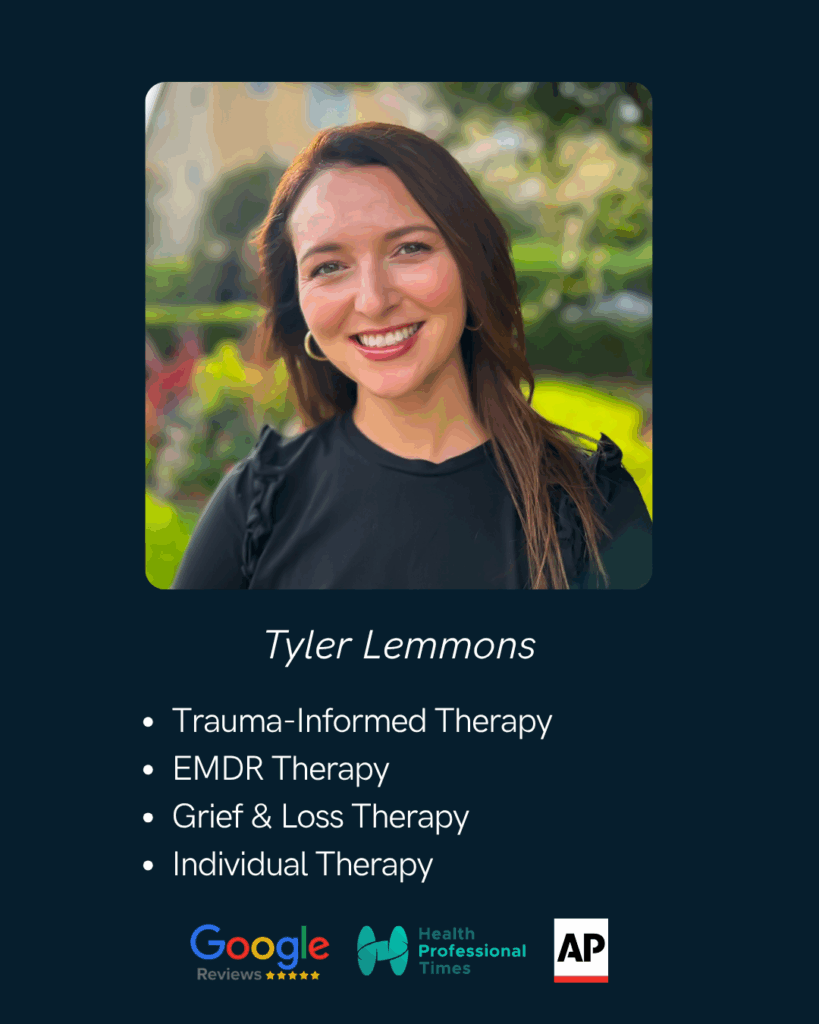
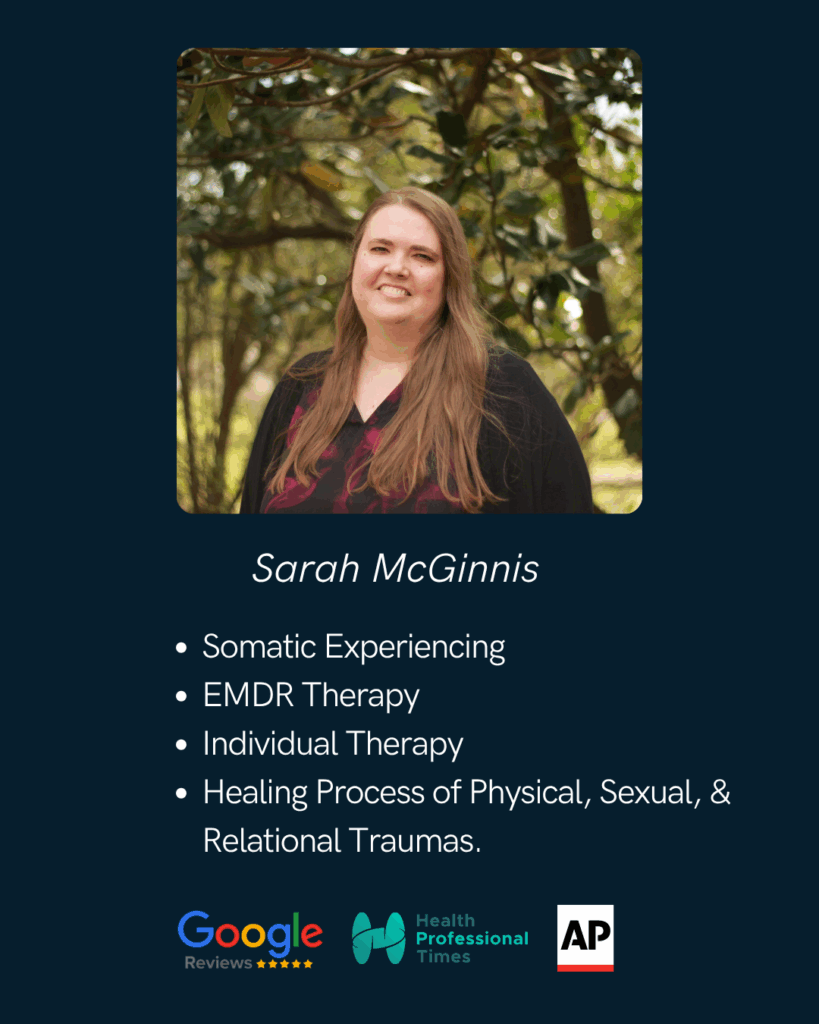
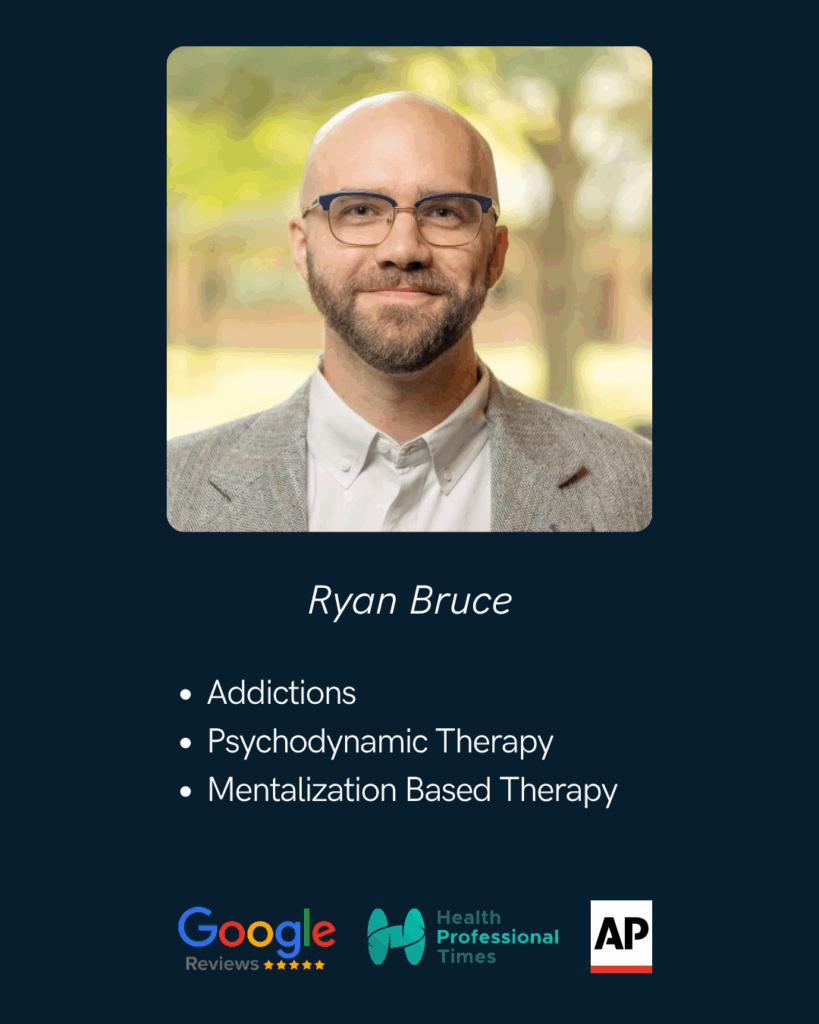
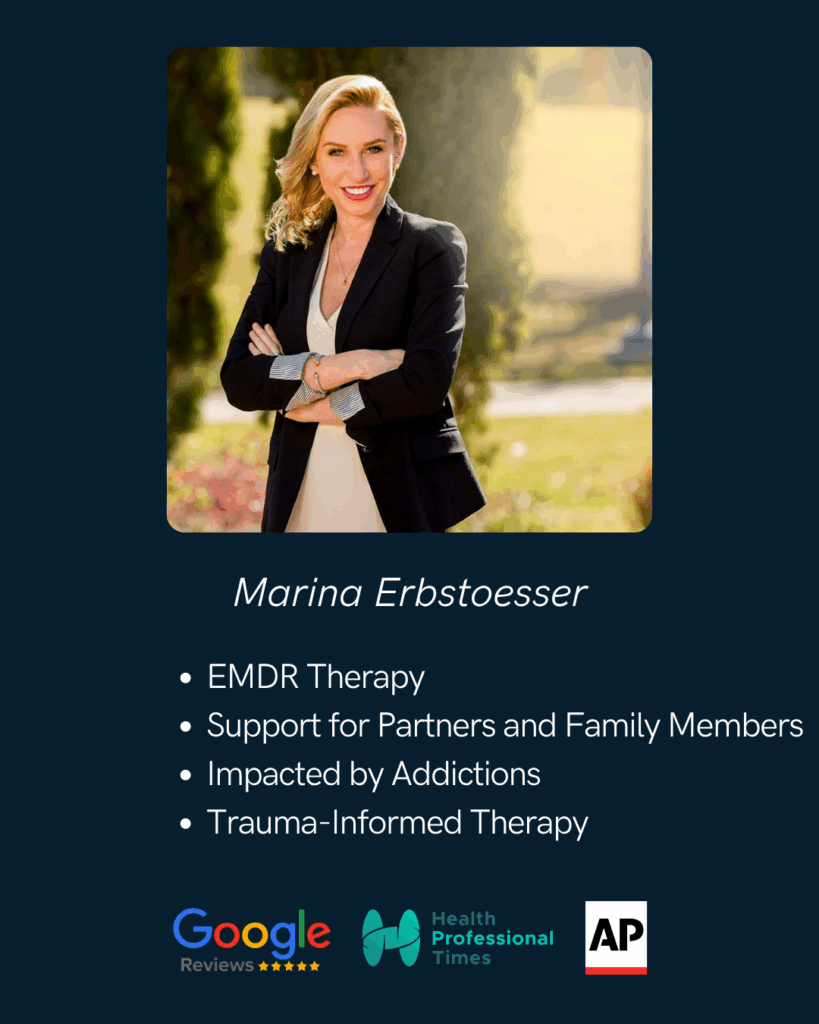
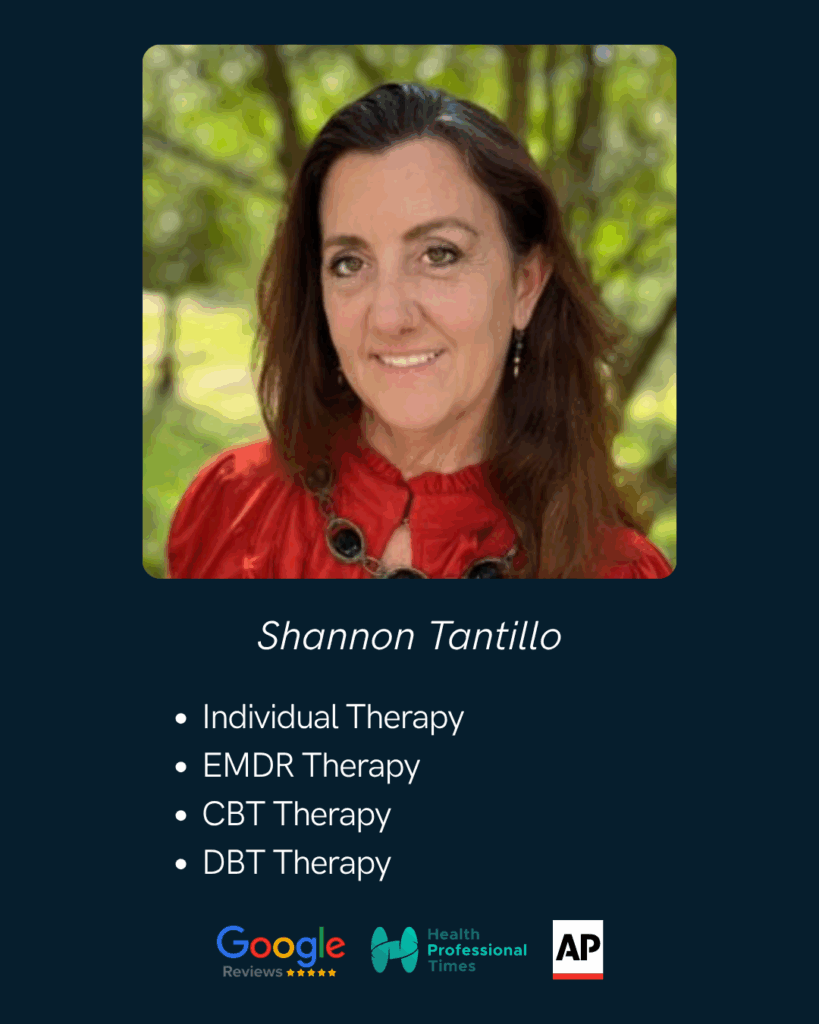
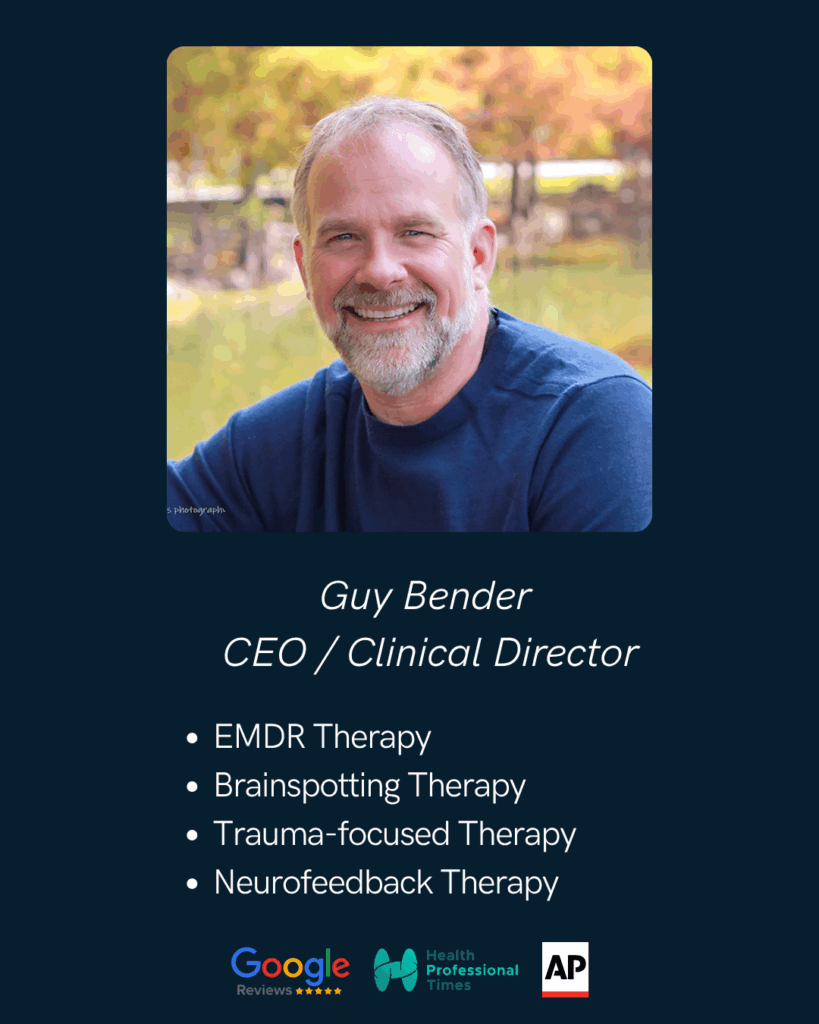
Meet your Houston addiction therapy team
All clinicians at Connect Clinical Services can support clients working through addiction and substance use patterns. During your free consultation, we’ll match you with the best-fit therapist based on:
- your goals and concerns
- co-occurring anxiety, trauma, or mood symptoms
- scheduling needs and preferences
Book Free 15-Minute Consultation

In-person PTSD therapy near The Heights (Washington Ave)
- Our office is located at: 8100 Washington Ave, Suite 170, Houston, TX 77007
This location is convenient for clients seeking discreet, private care and easy access from major areas of Houston.
Heling Houston neighborhoods
We work with clients across Houston, including professionals and families seeking confidential trauma care. Our office is convenient to:
- The Heights and Washington Corridor
- River Oaks and Upper Kirby
- West University and the surrounding area
- Montrose and Midtown
- CityCentre and the Memorial area
- Hedwig Village and the Memorial Villages
Prefer remote therapy? We offer secure telehealth across Texas.

What to expect in the first 30 days
1) Free 15-minute consultation
We learn what you are dealing with, what you want to change, and what kind of support feels right.
2) First session
We map patterns, triggers, history, supports, and immediate needs.
3) Weekly or biweekly sessions
We implement practical coping tools, routines, and relapse prevention strategies.
4) Progress reviews
We track cravings, use patterns, triggers, and stress regulation, and adjust the plan.
5) Ongoing support or closure
Some clients transition to maintenance support. Others complete therapy with a plan for resilience and relapse prevention.
Pricing and out-of-network insurance support
Individual PTSD Therapy
50 minutes
$150
EMDR or Brainspotting Session
60–90 minutes
$175–$200
Neurofeedback (Optional Add-On)
45–60 minutes
$150
- We are a private-pay practice. We provide superbills for out-of-network reimbursement. Many clients with PPO/POS plans receive partial reimbursement depending on their benefits