
EMDR Therapy in Houston, TX: Reprocessing the Past, Rewiring the Future
Many distressing symptoms, from anxiety and panic to chronic shame and hypervigilance, are rooted in unprocessed painful life experiences. EMDR is one of the most thoroughly researched and effective treatments for trauma and PTSD, proven to help the brain naturally heal itself. At Connect Clinical Services, we integrate EMDR with Brainspotting, Somatic Experiencing, and Neurofeedback for results no single modality can achieve alone.
Free EMDR Consultation
Speak with our Clinical Director. No obligation.
Or call: (713) 564-5146
The Science
How EMDR Works: Reprocessing Trauma at the Neurological Level
At Connect Clinical Services, we recognize that many distressing symptoms, from anxiety and panic to chronic shame and hypervigilance, are rooted in unprocessed, painful life experiences. Eye Movement Desensitization and Reprocessing (EMDR) Therapy is one of the most thoroughly researched and effective treatments for trauma and PTSD, proven to help the brain naturally heal itself.
When a traumatic or highly distressing event occurs, the memory can get "stuck" in the brain's limbic system, preventing it from being fully processed and integrated into your overall life experience. This unprocessed memory continues to feel immediate and real, leading to symptoms like flashbacks, intense emotional reactions, and avoidance.
EMDR uses Bilateral Stimulation (BLS), typically guided eye movements, but sometimes alternating taps or tones, to engage both hemispheres of the brain. This rhythmic stimulation facilitates communication between the parts of the brain that hold the raw emotion and sensation of the trauma (the limbic system) and the parts responsible for logic and perspective (the neocortex).
The result is that the memory is reprocessed: the emotional intensity of the memory significantly decreases; the negative beliefs associated with the event (such as "I am not safe" or "It was my fault") are replaced with positive, adaptive ones (such as "I am safe now" or "I did the best I could"); and the memory is stored correctly as a past event, not a present threat.
What EMDR Treats
Conditions EMDR Therapy Can Help With in Houston
While widely known for treating Post-Traumatic Stress Disorder (PTSD), EMDR is effective for a range of difficulties stemming from adverse life experiences. At our Houston practice, we use EMDR to treat:
Acute Stress & PTSD
Eliminating flashbacks, nightmares, and hyperarousal. WHO- and VA/DoD-recommended as a first-line PTSD treatment. Typically produces significant relief in 6 to 12 sessions for single-event trauma.
Anxiety & Panic Attacks
Addressing the underlying fears and memories driving the dysregulation. When the root memory is reprocessed, the anxiety often resolves because you are treating the cause, not managing the symptom.
Childhood & Developmental Trauma
Emotional neglect, abuse, unstable homes, chronic criticism. EMDR helps the brain reprocess these formative experiences so they stop driving adult patterns of hypervigilance, people-pleasing, and self-doubt.
Phobias
Desensitizing the brain's reaction to the feared object or situation by reprocessing the original sensitizing experience.
Grief & Loss
Processing complicated grief and painful memories related to loss. EMDR helps the brain integrate the experience so the grief becomes manageable rather than debilitating.
Performance Enhancement
Removing mental blocks and self-limiting beliefs that hinder professional or personal growth. Particularly effective for executives, athletes, and performers.
Chronic Pain
Reducing the emotional charge and distress associated with physical discomfort. Research shows that reprocessing the traumatic memories linked to pain onset can significantly reduce pain intensity.
First Responder & Occupational Trauma
Police officers, firefighters, EMTs, ER nurses, and military veterans. EMDR processes trauma efficiently without requiring you to "talk through" every call or deployment.
Your EMDR Journey
The Eight Phases of EMDR Therapy at Connect Clinical Services
Your healing process is collaborative and structured. EMDR therapy involves eight phases, ensuring you feel safe, prepared, and in control throughout:
History Taking and Treatment Planning
Identifying key targets for reprocessing and understanding your current symptoms. Your Clinical Director assesses your trauma history, nervous system presentation, and goals to create a personalized treatment plan.
Preparation
Teaching you self-soothing and grounding techniques to manage emotional intensity during sessions. You will feel resourced and stable before any processing begins.
Assessment
Identifying the image, belief, and emotions associated with the target memory. We establish baseline measurements so progress is trackable.
Desensitization
Using Bilateral Stimulation to process the memory until the distress rating drops to zero. This is the core processing phase where the brain's natural healing mechanisms are activated.
Installation
Strengthening the positive belief you wish to associate with the memory. "I am not safe" becomes "I am safe now." "It was my fault" becomes "I did the best I could."
Body Scan
Ensuring all residual physical tension related to the trauma is released. Because trauma is stored in the body as well as the brain, this somatic check is essential.
Closure
Returning to a state of calm and stability before the session ends. You will leave each session feeling grounded, not destabilized.
Re-evaluation
Checking the progress of the processed memory at the start of the next session. We track improvement using validated clinical instruments (PCL-5, PHQ-9, GAD-7) so healing is measurable.
Ready to Move Beyond Your Past and Reclaim Your Present?
Request a free consultation with our Clinical Director to learn if EMDR therapy is right for you.
Schedule Free Consultation(713) 564-5146 • 8100 Washington Ave, Suite 170, Houston TX 77007
The CCS Difference
Why Our EMDR Practice Is Different from Every Other in Houston
Most Houston EMDR therapists offer EMDR as a standalone modality. At Connect Clinical Services, EMDR is one component of our integrated neuroexperiential framework. Our Clinical Director assesses your unique trauma history, nervous system presentation, and goals, then determines whether EMDR alone is sufficient or whether integrating additional modalities will accelerate your healing.
A client with a single-event trauma, such as a car accident or assault, may need only 6 to 12 sessions of focused EMDR. A client with complex developmental trauma may benefit from EMDR combined with Somatic Experiencing to address the body-based components, and Neurofeedback to stabilize the brain's baseline arousal before deep processing begins. A first responder with cumulative occupational trauma may respond best to Brainspotting for the deepest subcortical material, with EMDR for specific incident processing.
This is the art and science of our approach: matching the right combination of modalities to your specific nervous system. No other private practice in Houston offers EMDR, Brainspotting, Somatic Experiencing, and Neurofeedback integrated under one Clinical Director into a single cohesive treatment plan.
Integrated Treatment
EMDR Within Our Neuroexperiential Framework
EMDR is most powerful when it is part of a larger, integrated strategy. Here is how we combine it with our other modalities:
EMDR + Neurofeedback
Neurofeedback stabilizes the brain's electrical patterns first, creating a calmer neurological baseline. This makes EMDR processing deeper and more effective, and reduces the risk of overwhelm during reprocessing. The combination is particularly powerful for clients with chronic hyperarousal, insomnia, or emotional volatility.
EMDR + Brainspotting
Brainspotting accesses trauma stored deeper in the subcortical brain than EMDR typically reaches. When EMDR processing plateaus, Brainspotting often breaks through. We use both modalities fluidly, sometimes within the same session, to address trauma at every neurological level.
EMDR + Somatic Experiencing
Somatic Experiencing addresses the body-based component of trauma that EMDR's cognitive and visual processing may not fully resolve. For clients who carry trauma as chronic tension, freeze responses, or physical symptoms, combining SE with EMDR produces results that neither achieves alone.
EMDR in Intensive Format
For clients who need accelerated results, our bespoke intensive programs can include multiple EMDR sessions per week combined with Neurofeedback and other modalities. This compresses months of weekly therapy into weeks of focused work, ideal for professionals, executives, and individuals in acute distress.
Why CCS
Why Houston Clients Choose Connect Clinical Services for EMDR
Four Modalities Under One Roof
EMDR, Brainspotting, Somatic Experiencing, and Neurofeedback integrated into a single treatment plan. Most practices offer EMDR alone.
Clinical Director Oversight
Every EMDR treatment plan designed and monitored by Guy Bender, LPC-S, ensuring clinical rigor and personalized continuity.
No Re-Traumatization
EMDR works with the brain's natural processing mechanisms. You do not have to narrate your trauma in painful detail to heal from it. You stay in control throughout.
Measurable Progress
Validated clinical tools (PCL-5 for PTSD, PHQ-9 for depression, GAD-7 for anxiety) track your improvement so healing is concrete, not abstract.
EMDR Intensives Available
Bespoke intensive programs combining high-frequency EMDR with Neurofeedback for accelerated results. Ideal for busy professionals.
Heights Location + Telehealth
8100 Washington Ave serving River Oaks, West University, Bellaire, Tanglewood, Bunker Hill Village, Southside Place, Memorial, Montrose, Upper Kirby, Rice Village, Galleria, Woodland Heights, Braeswood Place, and Sugar Land. EMDR via telehealth across Texas.
Ready to Move Beyond Your Past?
Contact Connect Clinical Services to learn more about starting EMDR therapy with one of our specialized clinicians. Request a free consultation with our Clinical Director.
Serving Houston's Heights, River Oaks, West University, Bellaire, Tanglewood, Memorial, Montrose, Upper Kirby, and all of Texas via telehealth.
Request Your Free Consultation
We respond within 24 hours, often same-day.
Prefer to call? (713) 564-5146
Common Questions
Frequently Asked Questions About EMDR Therapy in Houston
How does EMDR therapy work?
What conditions can EMDR therapy treat?
How long does EMDR therapy take?
Do I have to talk about my trauma in detail?
Is EMDR therapy safe?
What makes your EMDR practice different from others in Houston?
Can EMDR help with anxiety and depression?
Do you offer EMDR intensives?
Do you offer online EMDR therapy in Texas?
What areas of Houston do you serve for EMDR therapy?
Related Services
Trauma Therapy Brainspotting Somatic Experiencing Neurofeedback Intensive Therapy Couples Therapy Teen Therapy
You deserve a life where insight, emotion, and behavior finally align. Our practice is founded on the belief that therapy is both an art, creating a safe space for you to feel truly seen, and a science, utilizing empirically supported, neurobiologically informed approaches to create lasting change. EMDR therapy at Connect Clinical Services in Houston is one of the most powerful tools in that science.
Last reviewed March 2026 by Guy Bender, LPC-S, Clinical Director.
How Does Trauma Effect The Nervous System?
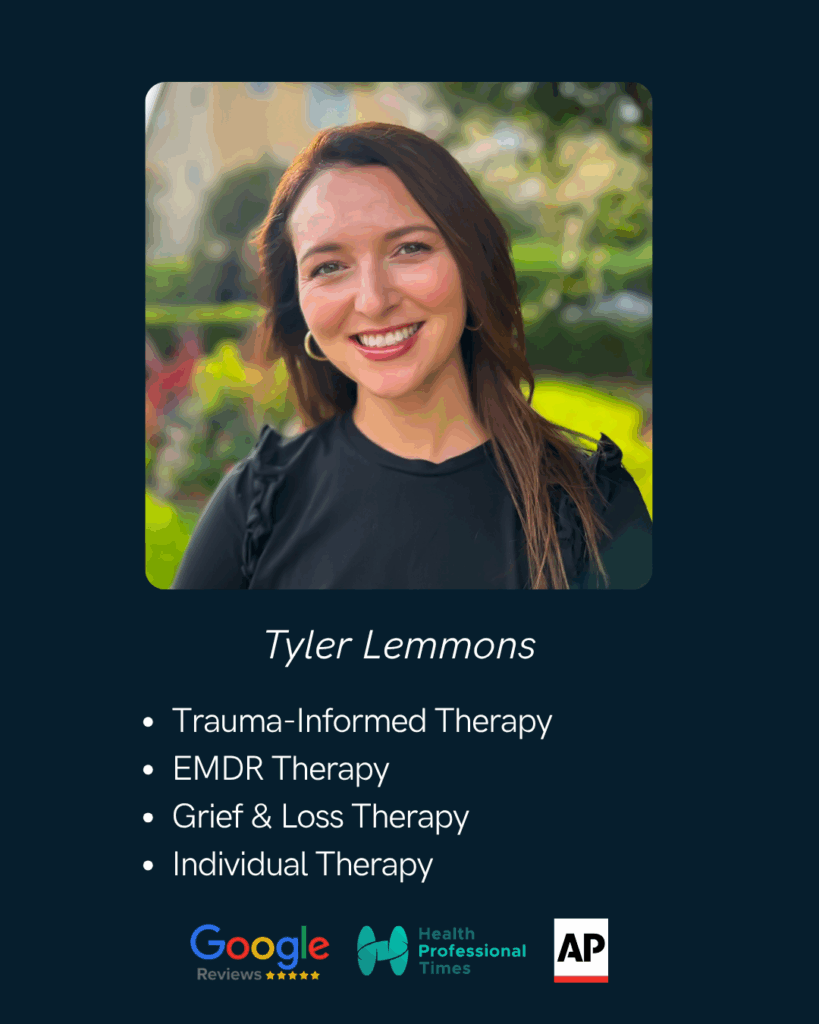
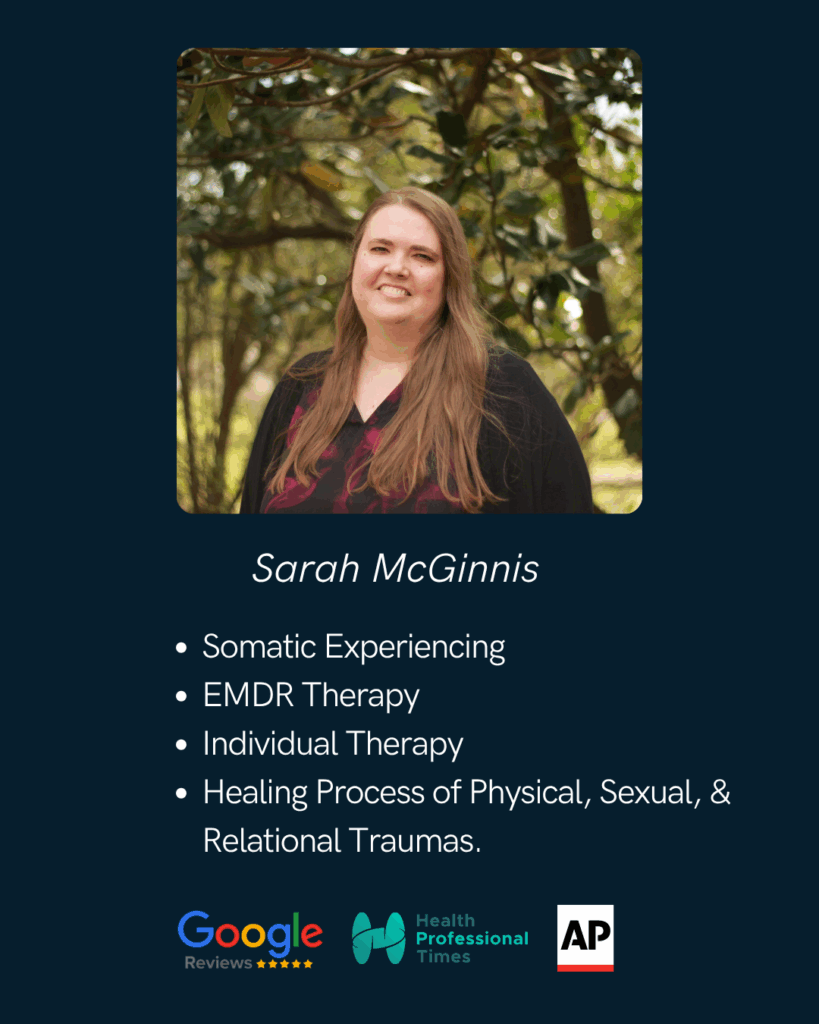
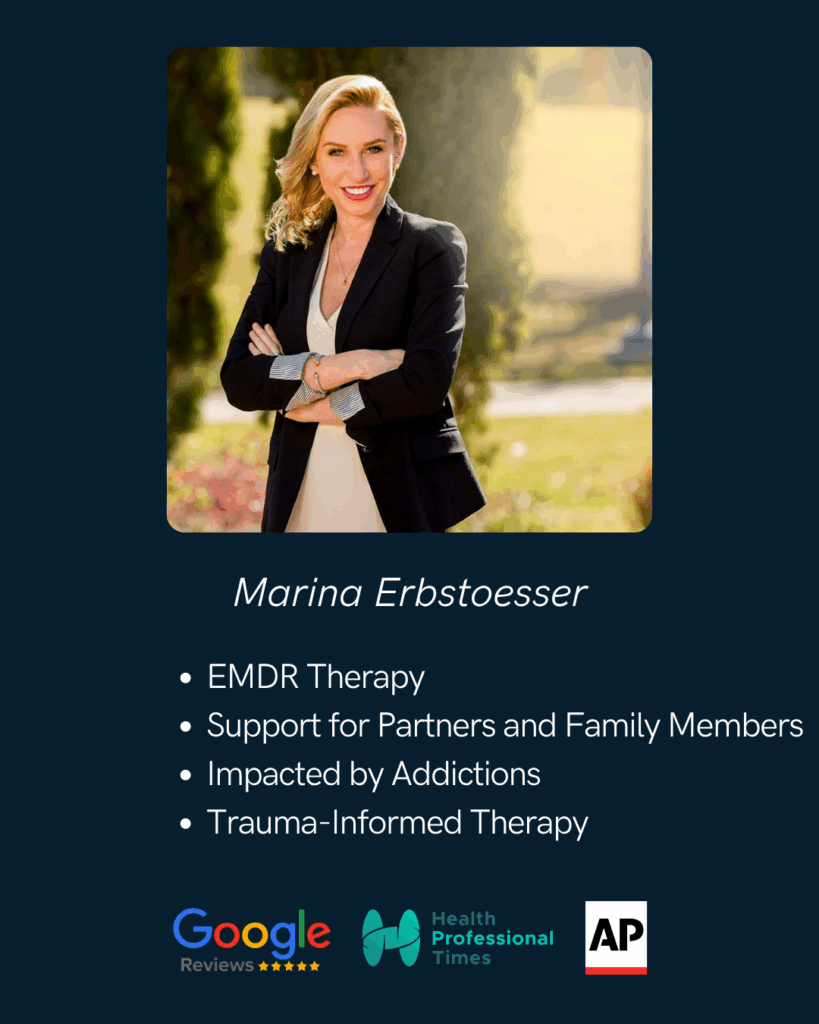
Meet Our Expert Therapists In Houston



Serving Houston and Surrounding Areas
- In-Person Sessions: Suit 170, 8100 Washington Ave, Houston, TX 77007
- Telehealth: Secure video appointments available throughout Texas