


Grief Counseling in Houston, TX
Therapy for grief and loss that honors your story and helps you function again
Grief can change everything. You may feel numb, overwhelmed, irritable, distracted, or exhausted. You may be “doing fine” one moment and falling apart the next. Grief is not a weakness. It’s a human response to loss.
At Connect Clinical Services, we provide grief and loss counseling in Houston with licensed clinicians who offer compassionate, structured support. Whether you’re grieving a death, a relationship, a life transition, or a version of life you expected, therapy can help you process what happened and find steadier ground.
- In-Person: 8100 Washington Ave, Suite 170, Houston, TX 77007
- Telehealth Sessions Available Across Texas
- Book a Free 15-Minute Consultation Today

The Problem
When grief feels heavy, confusing, or “stuck”
Grief is not linear. You might experience waves of sadness, anger, guilt, relief, numbness, or anxiety. You might struggle with sleep, appetite, focus, motivation, or social connection.
- Grief counseling can help if you’re experiencing:
- Intense sadness, loneliness, or numbness that won’t ease
- Rumination, “what if” thoughts, regret, or guilt
- Anger, irritability, or feeling emotionally flooded
- Avoidance of reminders or difficulty returning to routines
- Anxiety, panic, or fear about future loss
- Sleep issues, fatigue, or body tension
- Feeling disconnected, detached, or not like yourself
You don’t need a diagnosis to start therapy. We work with what you’re feeling now and what you want to change.
If you are in immediate danger or need urgent support: call 988 or local emergency services.
What kind of loss are you living with?
Different losses create different kinds of grief. Therapy becomes more effective when it matches what you’re grieving and how it’s affecting you.
Bereavement (death of a loved one)
Grief may include sadness, shock, numbness, identity shifts, or a sense of unreality. Therapy can support emotional processing, memory integration, and functioning without minimizing the relationship you lost.
Anticipatory grief
When someone is seriously ill or nearing end of life, grief can begin before death. Therapy can help you manage anxiety, caregiver strain, complicated emotions, and the feeling of living in limbo.
Miscarriage, infertility, or perinatal loss
This grief is often isolating and misunderstood. Therapy can provide a private space for processing emotions, bodily reminders, relationship strain, and future fears.
Divorce, breakup, or relationship loss
Even when a relationship ends for good reasons, grief can include anger, shame, relief, longing, and identity confusion. Therapy helps with closure, boundaries, and rebuilding a stable sense of self.
Pet loss
The bond with a pet is real, and the grief can be profound. Therapy can help you honor the relationship, process guilt or regret, and move through the loss without minimizing it.
Life transitions and identity loss
Career changes, health changes, moves, caregiving roles, and other transitions can bring grief for the life you expected. Therapy can help you process loss and build meaning in what comes next.
If grief is tied to trauma symptoms such as intrusive memories, hypervigilance, or shutdown, explore:
Trauma Therapy in Houston or PTSD Therapy in Houston
How grief counseling works at Connect Clinical Services
Grief counseling is not about “getting over it.” It’s about integrating the loss, reducing overwhelm, and helping you keep living with more steadiness and support. Your therapy may include:
Processing and meaning making:
Making space for what happened and what it means now
Tools for rumination and guilt:
Reducing spirals of regret, self-blame, and intrusive “what if” thoughts
Support for anxiety and sleep:
Practical strategies to stabilize daily functioning
Nervous system regulation:
Grounding and pacing when emotions feel too intense or too flat
Relationship support:
Communication tools and boundary work when grief impacts family or partners
Trauma-informed care:
When grief and trauma overlap, we pace carefully and prioritize safety
If grief is accompanied by anxiety or panic symptoms, you may also find support here:
Do you need grief therapy or a support group?
Different approaches help different nervous systems. During your consultation and intake, we help you choose a path that fits your symptoms, history, and comfort level.
Both can help, and the right choice depends on what you need.
A grief support group can be helpful if you want:
- shared community and normalization
- low-cost or free support options
- connection with others with similar experiences
Individual grief counseling can be helpful if you want:
- privacy and personalized care
- support for trauma symptoms, panic, or depression
- help with guilt, anger, complicated relationships, or layered losses
- a paced plan tailored to your nervous system and goals
Some people do both: therapy for personalized support and a group for community.
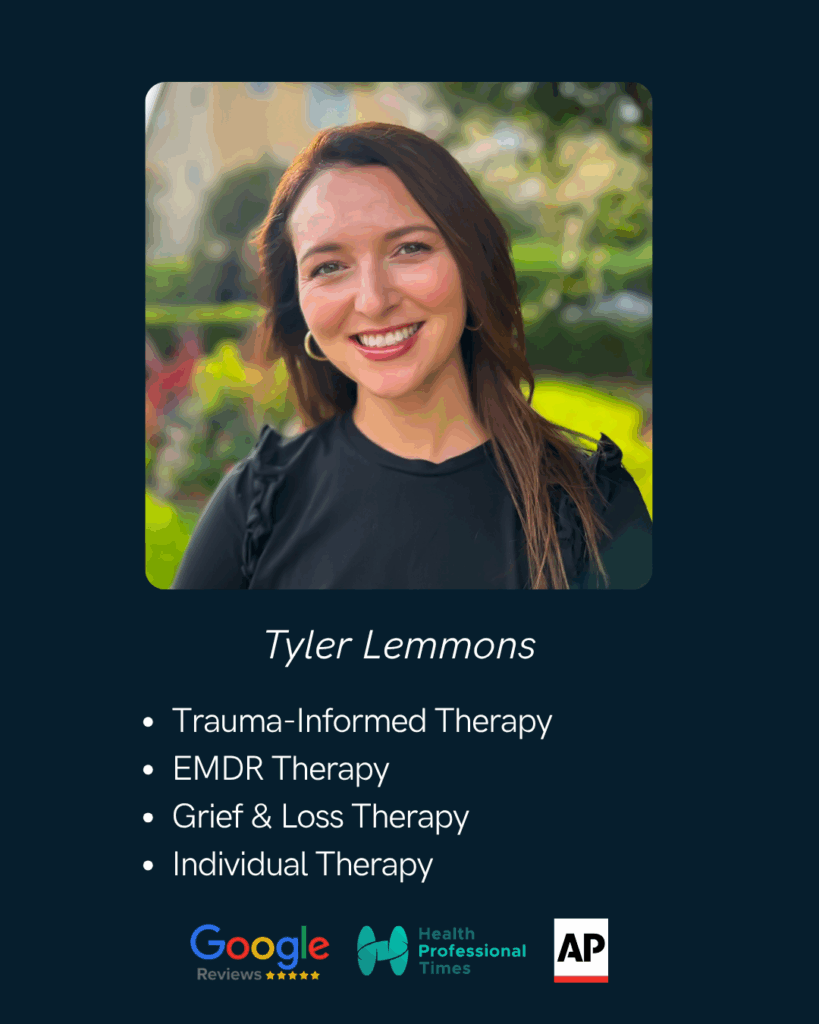
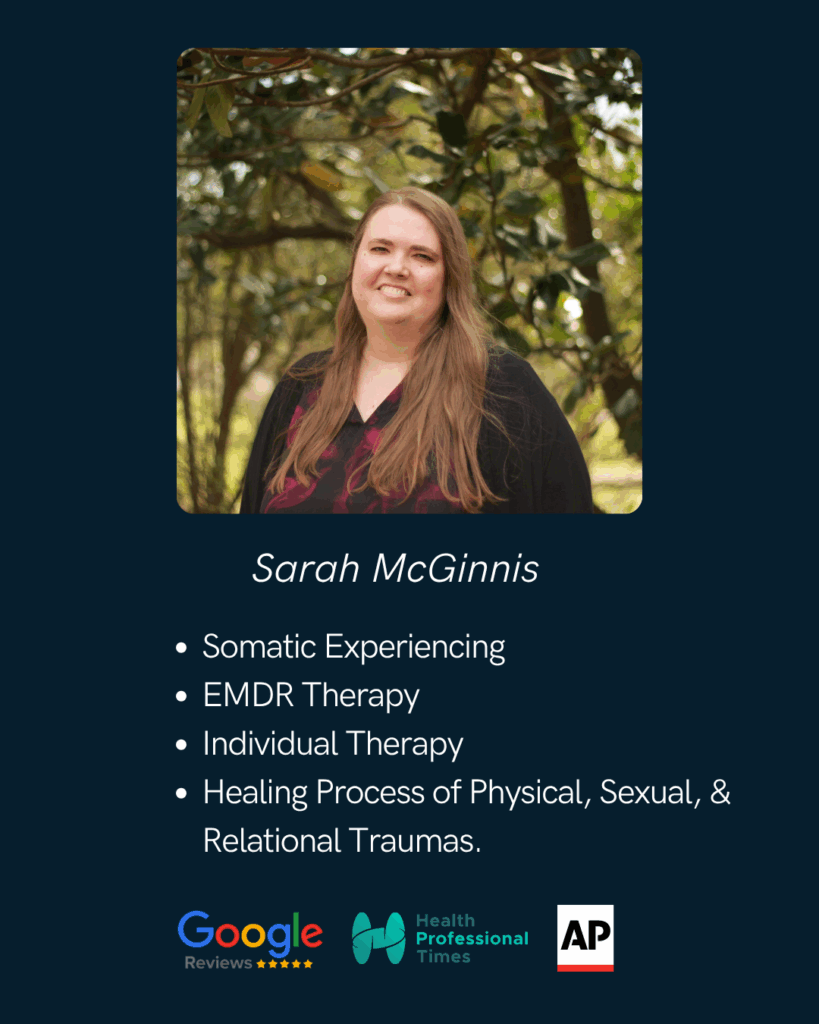
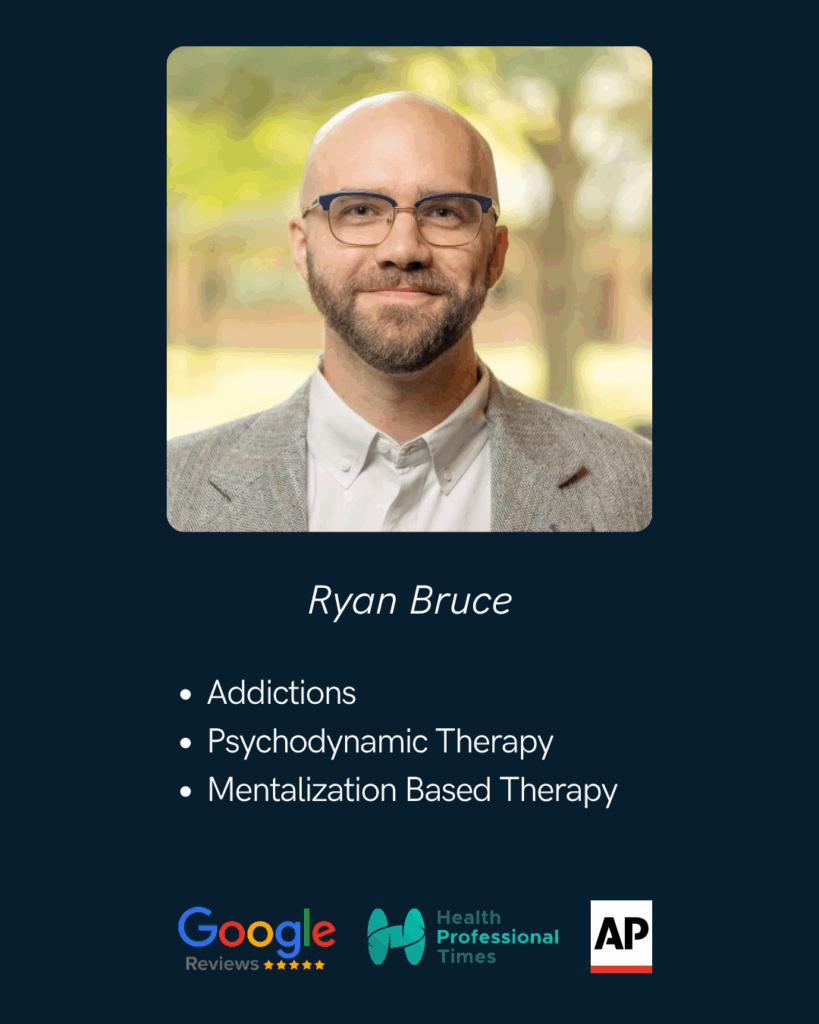
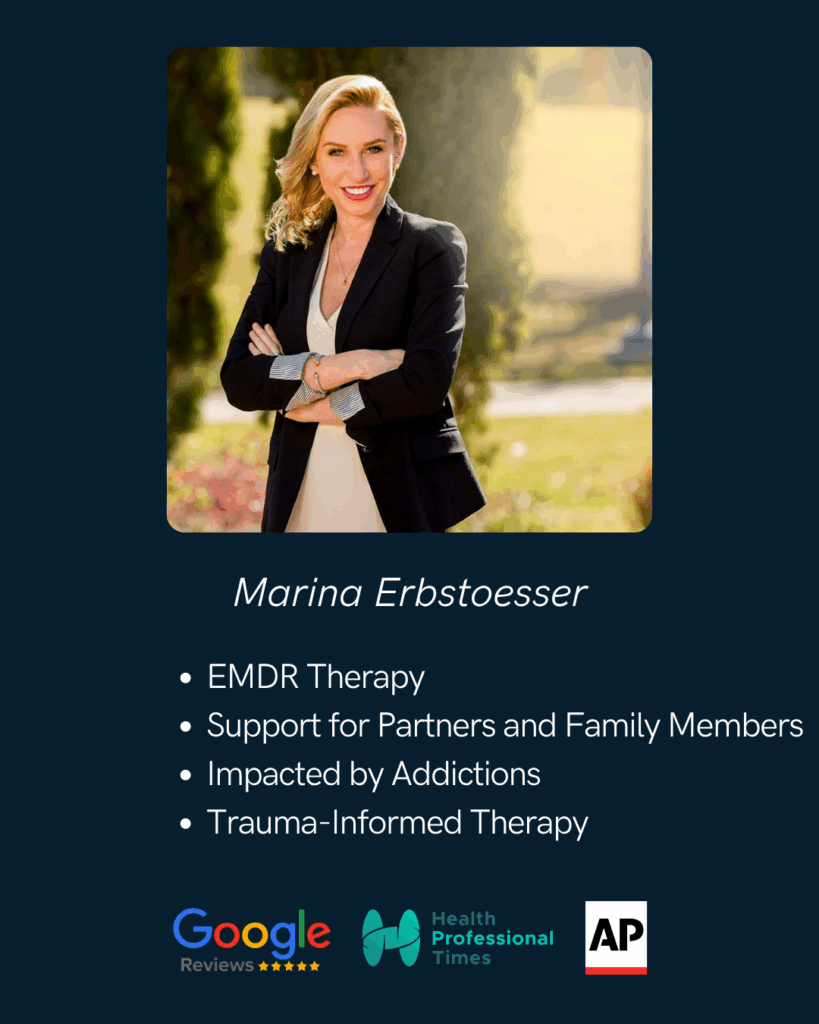
Meet your Houston PTSD therapy team
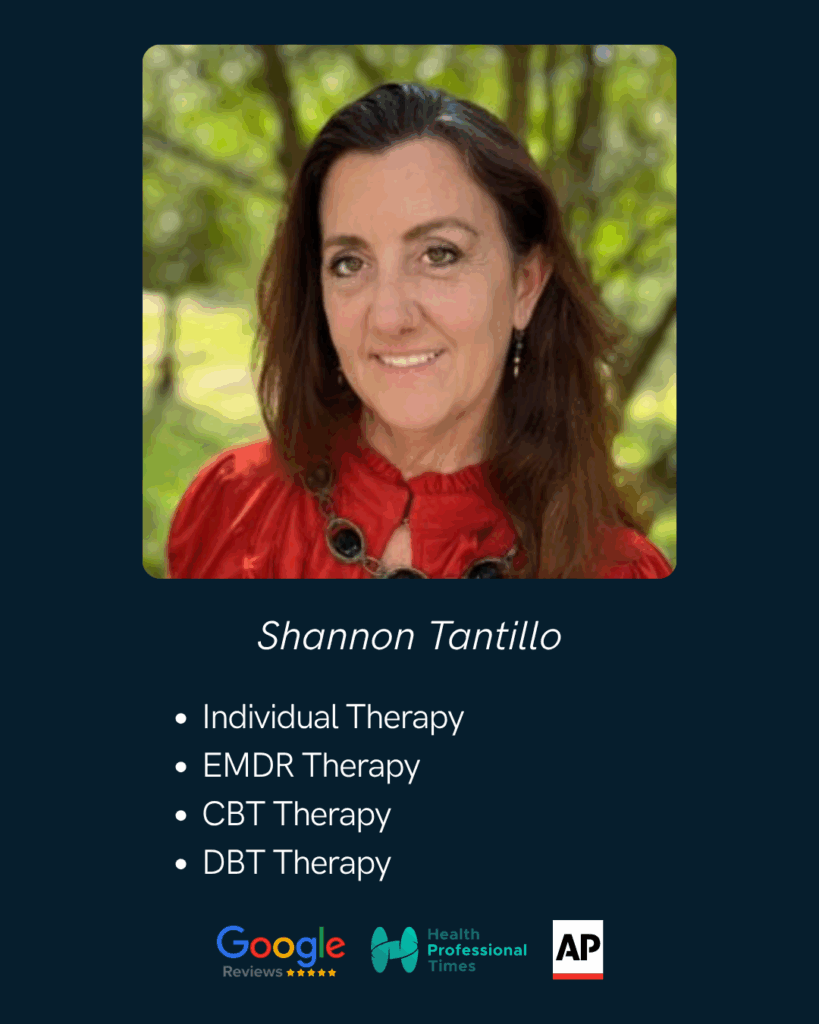
All clinicians at Connect Clinical Services work with clients experiencing PTSD symptoms. In your free consultation, we will match you with a therapist based on:
- your goals and symptoms
- your preferred therapy style
- modality fit (EMDR, Brainspotting, Somatic, IFS, Neurofeedback)
- scheduling and availability
Next step: Book a Free 15-Minute Consultation and we will recommend a therapist and plan.


In-person PTSD therapy near The Heights (Washington Ave)
- Our office is located at: 8100 Washington Ave, Suite 170, Houston, TX 77007
This location is convenient for clients seeking discreet, private care and easy access from major areas of Houston.
Heling Houston neighborhoods
We work with clients across Houston, including professionals and families seeking confidential trauma care. Our office is convenient to:
- The Heights and Washington Corridor
- River Oaks and Upper Kirby
- West University and the surrounding area
- Montrose and Midtown
- CityCentre and the Memorial area
- Hedwig Village and the Memorial Villages
Prefer remote therapy? We offer secure telehealth across Texas.

What to expect in the first 30 days
1) Free 15-minute consultation
We learn what you are dealing with, what you want to change, and what kind of support feels right.
2) First session (intake)
We explore your loss, symptoms, stressors, and supports, and build a plan that feels realistic and safe.
3) Weekly or biweekly sessions
We process grief, reduce overwhelm, and build tools for daily functioning, sleep, and emotional regulation.
4) Progress reviews
We track what’s changing: intensity, functioning, connection, and coping and adjust the plan
5) Ongoing support or closure
Some clients transition to maintenance support. Others complete therapy with a plan for resilience and continued support.
Pricing and out-of-network insurance support
Individual PTSD Therapy
50 minutes
$150
EMDR or Brainspotting Session
60–90 minutes
$175–$200
Neurofeedback (Optional Add-On)
45–60 minutes
$150
- We are a private-pay practice. We provide superbills for out-of-network reimbursement. Many clients with PPO/POS plans receive partial reimbursement depending on their benefits