


Panic Attack Therapy in Houston, TX
Evidence based therapy for panic attacks, panic disorder, and the fear of fear
Panic attacks can feel terrifying, unpredictable, and physically intense. Many people start living around the fear of “what if it happens again,” avoiding places, driving routes, crowds, workouts, meetings, or anything that triggers body sensations.
At Connect Clinical Services, we provide panic attack therapy in Houston using evidence-based approaches (including CBT and exposure-based work) to help you understand the panic cycle, reduce avoidance, and regain confidence in your body and daily life. CBT is widely recognized as a first-line psychotherapy approach for panic disorder and panic attacks.
- In-Person: 8100 Washington Ave, Suite 170, Houston, TX 77007
- Telehealth Sessions Available Across Texas
- Book a Free 15-Minute Consultation Today

Looking for “panic attack therapy near me” in Houston?
- If you searched “near me,” you’re probably looking for:
- A trusted therapist close by
- A clear plan (not just talk)
- A quick next step
Our Houston office is on Washington Ave, convenient to high-demand neighborhoods including:
The Heights, River Oaks, West University, Montrose, City Centre, and Hedwig Village.
If you prefer remote care, telehealth is available across Texas.
What panic attacks can look like
Panic symptoms can be different for everyone, but many people experience:
- Racing heart, chest tightness, shortness of breath
- Dizziness, lightheadedness, nausea
- Sweating, shaking, tingling, hot/cold flashes
- A sense of doom, fear of losing control, fear of dying
- Feeling detached or unreal (derealization)
- Urges to escape, avoid, or “get somewhere safe”
Panic attacks are common and treatable. Therapy helps you break the cycle that keeps panic going.
If you have new, severe, or medically concerning symptoms, consider checking in with a medical professional. (Therapy can treat panic, but it does not replace medical evaluation when needed.)
Why panic keeps happening (the panic cycle)
Many people think they need to “calm down” to stop panic. But panic is often maintained by a loop:
- Body sensation (heart rate, breath changes, dizziness)
- Catastrophic interpretation (“Something is wrong”)
- Adrenaline surge (more sensations)
- Fear of fear (“What if it happens again?”)
- Avoidance and safety behaviors (escape, checking, reassurance)
- Short-term relief reinforces the pattern long-term
Effective therapy targets this cycle directly using CBT and exposure-based methods.
Evidence-based therapy for panic attacks
CBT for panic (core approach)
CBT helps you:
- Identify and challenge the thoughts that escalate panic
- Reduce avoidance and “safety behaviors” that keep panic powerful
- Rebuild confidence through skills and behavior change
CBT is often recommended as an effective psychotherapy approach for panic attacks and panic disorder.
Exposure therapy (how people stop fearing panic)
Many of the strongest outcomes come from safely practicing what the nervous system has been avoiding.
Two exposure types matter:
- Situational exposure: gradually re-entering avoided places (driving, stores, meetings, highways)
- Interoceptive exposure: safely and intentionally practicing the physical sensations of panic to learn they are uncomfortable but tolerable (and to reduce fear of the sensations themselves)
Interoceptive exposure is a well-established component of CBT for panic disorder.
Skills that support exposure (not replace it)
Breathing and grounding skills can be useful tools, but the long-term goal is to reduce the fear of sensations and eliminate avoidance. We teach skills that support your plan rather than “quick fixes.”
How panic attack therapy works at Connect Clinical Services
Therapy is structured, practical, and paced. You won’t be forced to “just push through.” You’ll build a plan that makes sense and that you can repeat outside sessions.
Our process typically includes:
Assessment
Clear assessment of triggers, avoidance, and safety behaviors
Education
Education about the panic cycle (so symptoms feel less mysterious)
Exposure
A personalized exposure ladder (step-by-step)
Exercise
Interoceptive exposure exercises when appropriate
Moving Forward
Progress reviews and plan updates
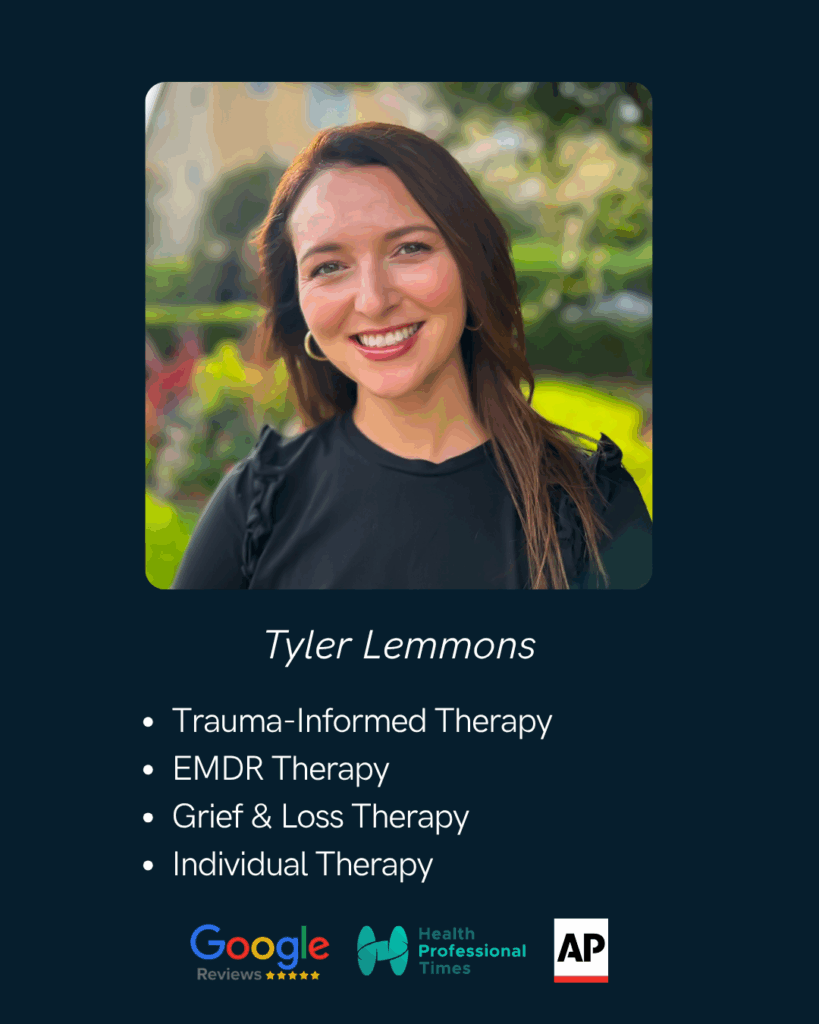
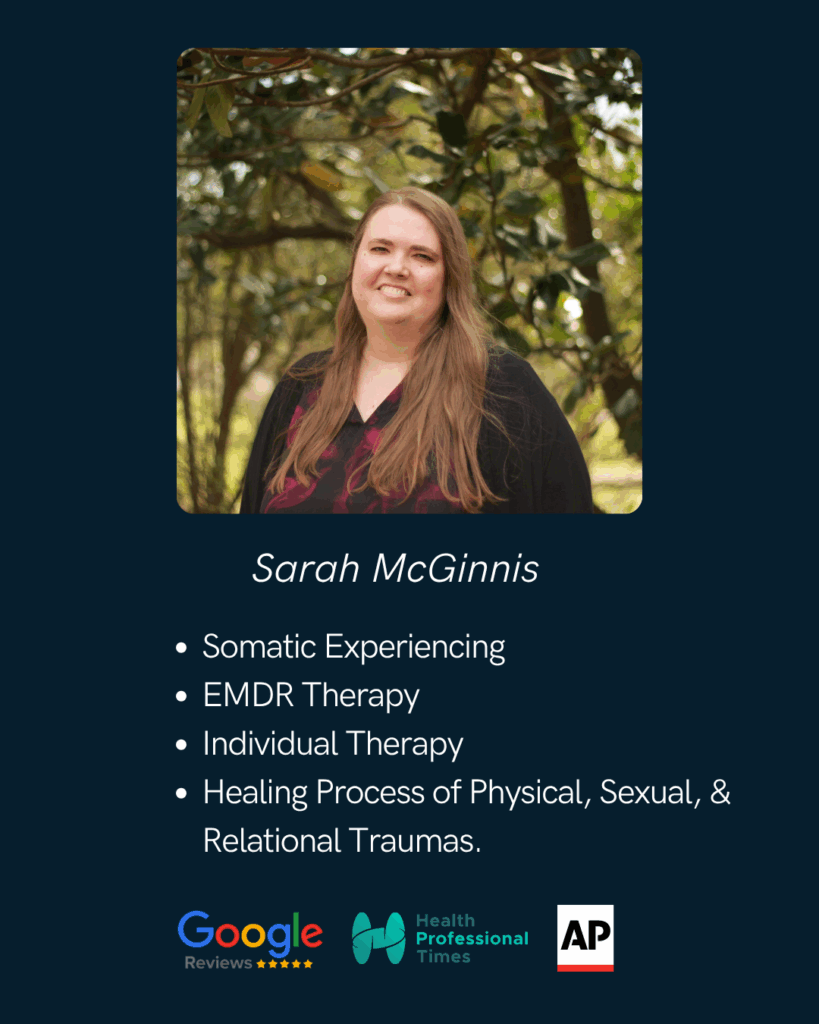
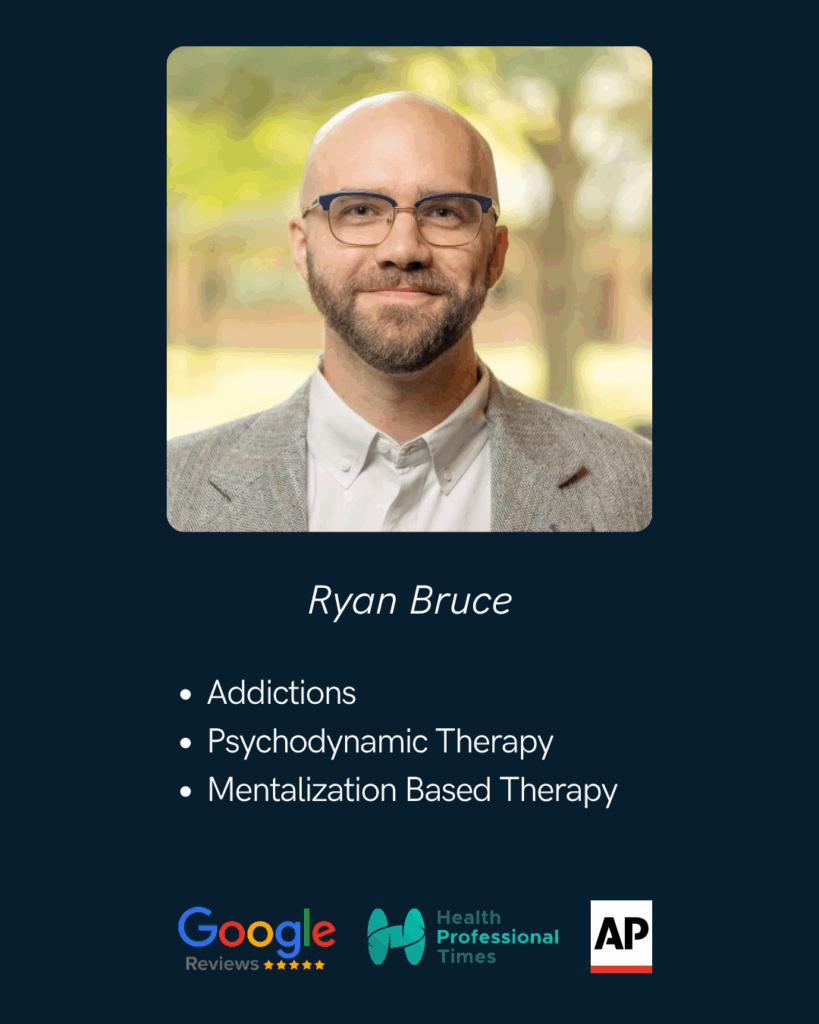
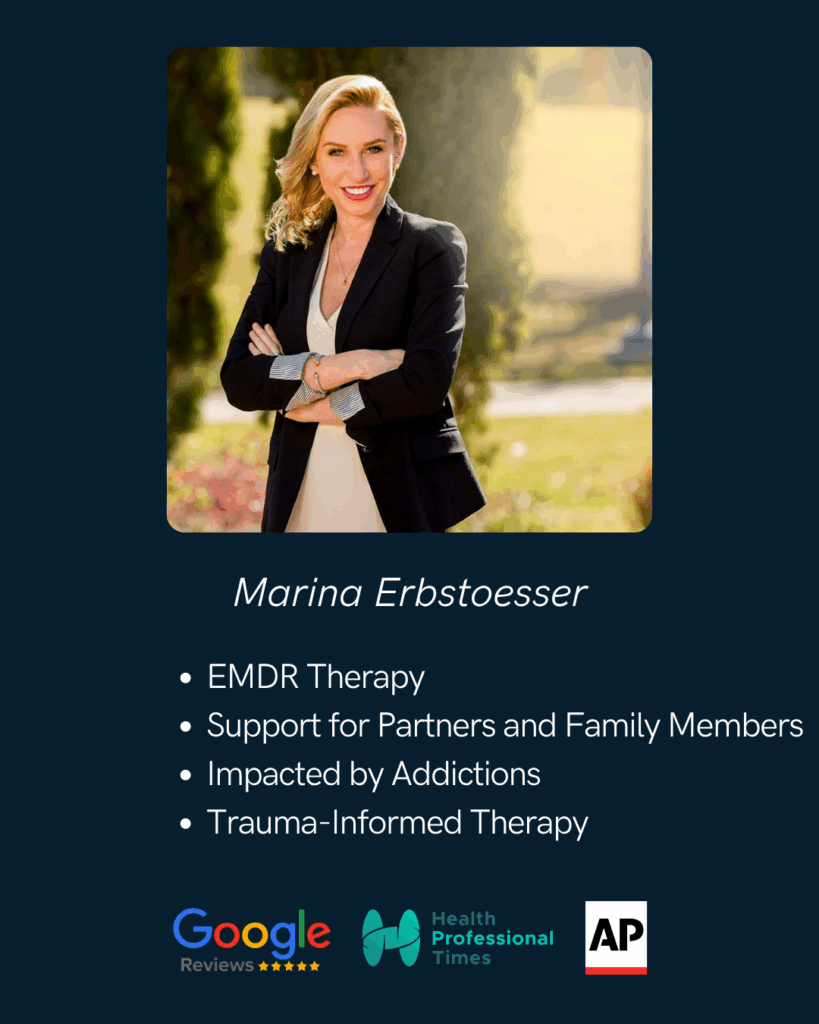
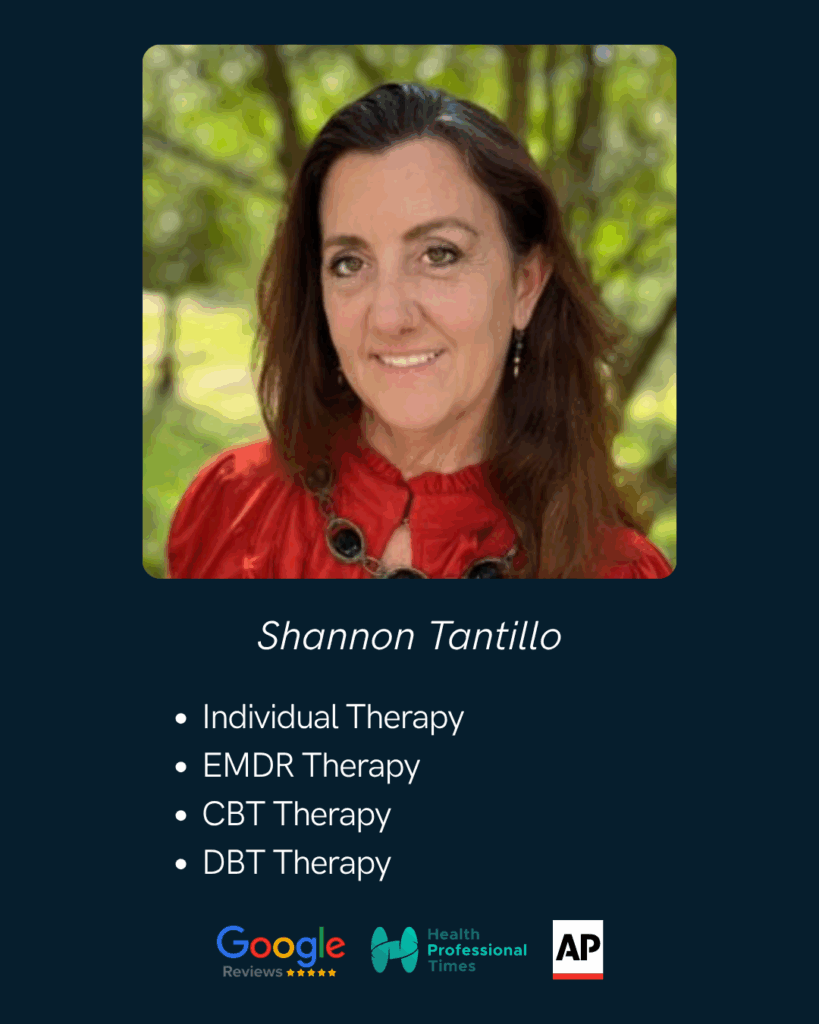
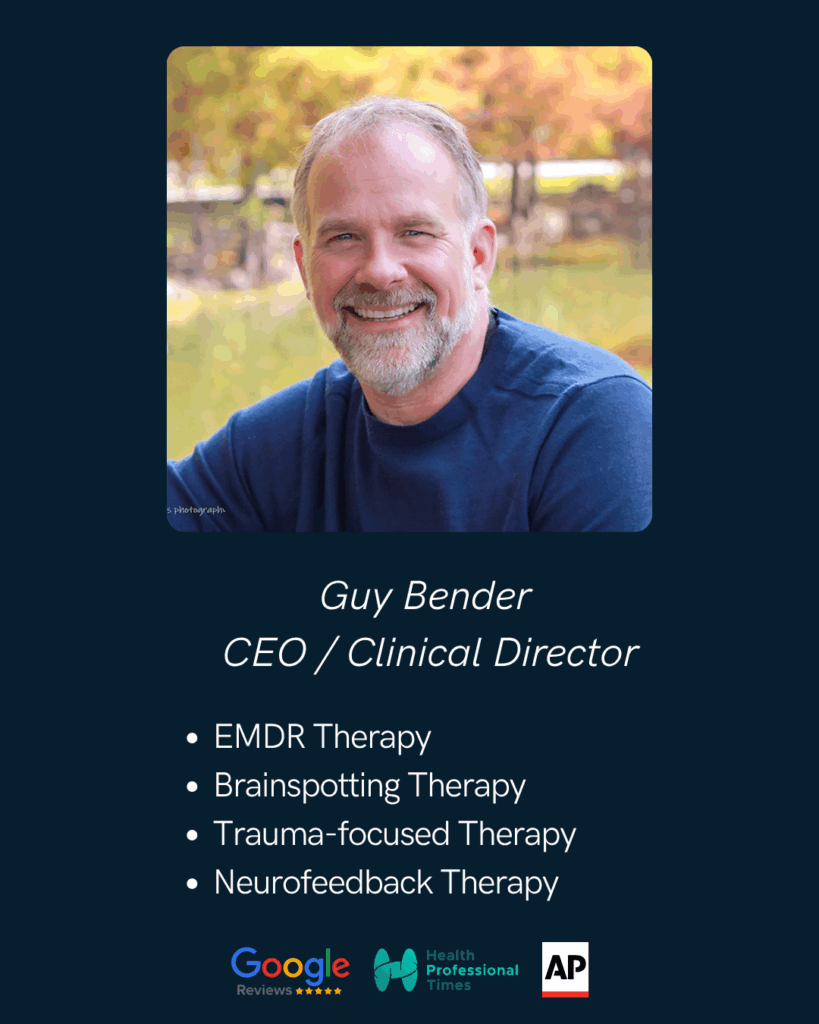
Meet your Houston PTSD therapy team
All clinicians at Connect Clinical Services work with clients experiencing anxiety and panic symptoms. In your free consultation, we match you with a therapist based on:
- your symptoms and goals
- your preferences and therapy style
- availability and scheduling needs
Next step: Book a Free 15-Minute Consultation and we will recommend a therapist and plan.

Panic attack therapy near The Heights (and nearby Houston neighborhoods)
- Our office is located at: 8100 Washington Ave, Suite 170, Houston, TX 77007
This location is convenient for clients seeking discreet, private care and easy access from major areas of Houston.
Heling Houston neighborhoods
We work with clients across Houston, including professionals and families seeking confidential trauma care. Our office is convenient to:
- The Heights and Washington Corridor
- River Oaks and Upper Kirby
- West University and the surrounding area
- Montrose and Midtown
- CityCentre and the Memorial area
- Hedwig Village and the Memorial Villages
Prefer remote therapy? We offer secure telehealth across Texas.

What to expect in the first 30 days
Free 15-minute consultation
We learn what’s happening and what you want to change. You’ll leave with clarity on next steps.
First session (intake)
We map your panic cycle, triggers, avoidance patterns, and create a practical plan.
Weeks 2–4
We build skills and begin exposure work in a paced and supportive way.
Progress reviews
We track what’s improving (frequency, intensity, avoidance, confidence) and refine your plan.
Maintenance or closure
Many clients transition to maintenance support or discharge with a relapse-prevention plan.
Pricing and out-of-network insurance support
Individual PTSD Therapy
50 minutes
$150
EMDR or Brainspotting Session
60–90 minutes
$175–$200
Neurofeedback (Optional Add-On)
45–60 minutes
$150
- We are a private-pay practice. We provide superbills for out-of-network reimbursement. Many clients with PPO/POS plans receive partial reimbursement depending on their benefits