
Connect Clinical Services | Houston, TX
Neurofeedback Side Effects: Is Brain Training Safe? What to Expect
By Guy Bender, LPC, Clinical Director | Published April 2026 | About the Author
One of the most common questions about Neurofeedback: are there side effects? The short answer is that Neurofeedback is non-invasive, medication-free, and generally very well-tolerated. Nothing is introduced into the brain. But understanding exactly what to expect helps you get the most from your sessions and know when something needs your therapist’s attention.
Short answer
Neurofeedback is non-invasive, medication-free and generally well tolerated. Sensors on the scalp only read the brain’s existing electrical activity, and nothing is sent into the brain. Effects that do occur are usually mild and short-lived, such as temporary tiredness, headache or vivid dreams after a session. Connect Clinical Services in Houston adjusts the protocol if any effect persists.
Why Neurofeedback Has Minimal Side Effects
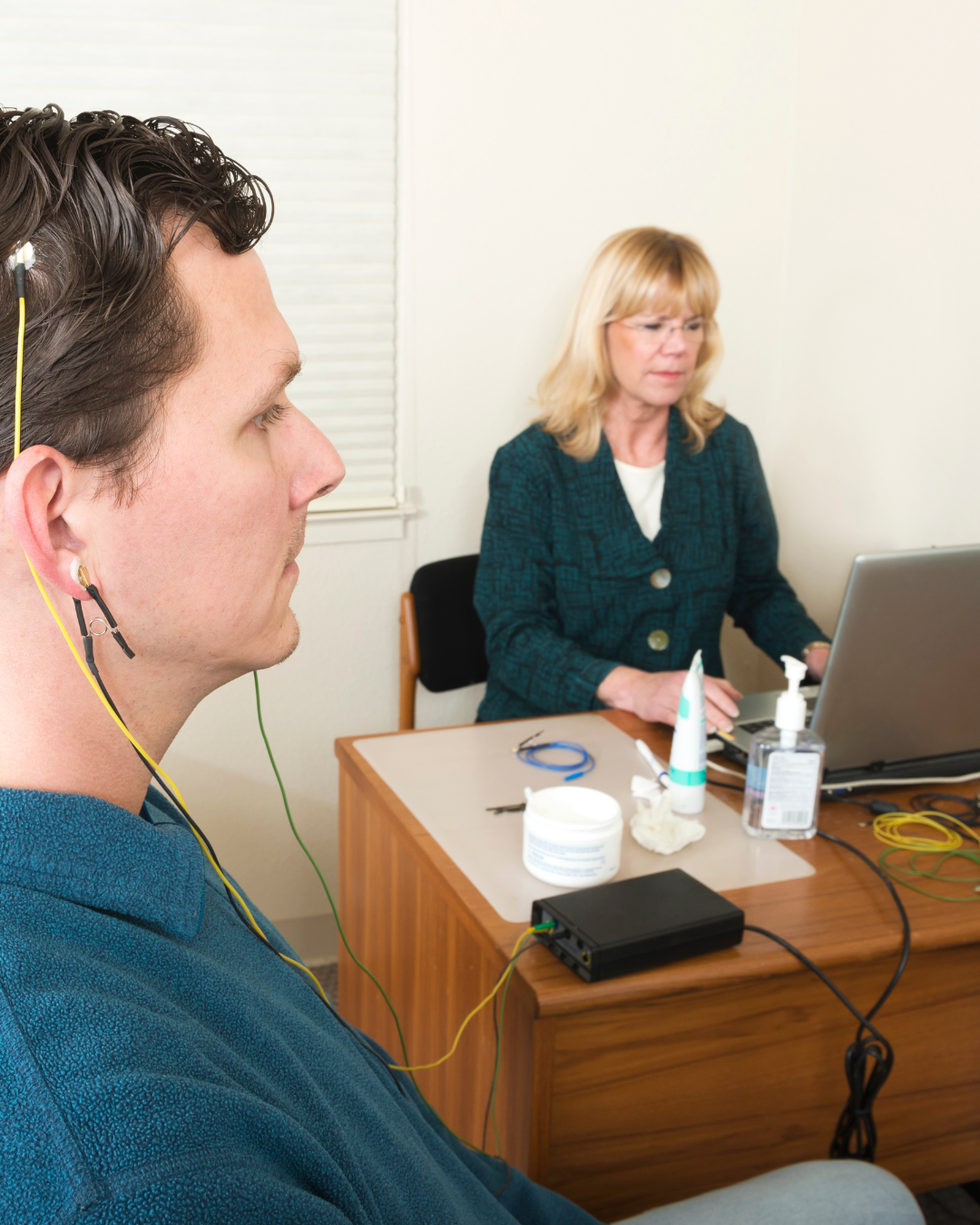
Neurofeedback is fundamentally different from medication or invasive treatments. Small sensors are placed on the scalp to read your brain’s existing electrical activity. They only monitor. They do not send any signal, electricity, magnetic field, or substance into the brain. The training works by providing real-time feedback, essentially a mirror for your brain’s electrical patterns, that helps the brain learn to self-regulate through neuroplasticity. This is the same natural learning process used when you learn to ride a bike or play an instrument.
Most of what to expect is set during the assessment, so it helps to know what a qEEG brain map shows and what neurofeedback costs in Houston.
Because nothing is introduced into the body, Neurofeedback does not produce the systemic side effects associated with psychiatric medications: no weight changes, no sexual dysfunction, no GI issues, no dependency, no withdrawal symptoms. The FDA recognizes Neurofeedback devices for relaxation training, and the modality has been in clinical use for over 50 years with an excellent safety profile.
What Some Clients Experience After Sessions
While the majority of clients feel calm and focused after Neurofeedback sessions, some temporary effects can occur, particularly in the first few sessions as the brain begins adapting to new patterns:
Fatigue: The most commonly reported experience. Brain training is neurologically demanding work, similar to intense studying or learning a new language. Some clients feel mentally tired for a few hours after sessions. This typically resolves with rest and water, and diminishes as the brain adapts over successive sessions. Most clients report that by session 5 to 8, post-session fatigue is minimal or absent.
Mild headache: Occasionally reported, usually mild and brief (30 to 60 minutes). More common in the first 2 to 3 sessions. Staying well-hydrated before and after sessions reduces this significantly. If headaches persist, the protocol may need minor adjustment, which is why working with an experienced provider is essential.
Vivid dreams: As with EMDR, Neurofeedback can produce more vivid or unusual dreams as the brain reorganizes during sleep. This is generally a positive sign that neuroplastic change is occurring. Dreams typically normalize as training progresses.
Temporary mood shifts: As brainwave patterns change, some clients experience brief periods of emotional sensitivity, irritability, or heightened emotions. This is the brain recalibrating, similar to how you might feel off-balance when you first change a medication dose. These shifts usually pass within a day, and your clinician adjusts the protocol if they do not.
Increased energy or alertness: Some clients report feeling unusually energized or mentally sharp after sessions. While generally positive, this can occasionally disrupt sleep if sessions are scheduled too late in the day. We recommend scheduling Neurofeedback sessions before 4 PM when possible.
The Real Risk: Incorrect Protocols
The most significant risk with Neurofeedback is not side effects from the technology itself but from incorrect training protocols. Training the wrong frequency, in the wrong direction, at the wrong brain location can temporarily increase symptoms rather than reduce them. For example:
Training excessive beta suppression in someone who already has low beta can worsen attention problems. Training theta increase in someone with excess theta can increase brain fog or depression. Training the wrong hemisphere can create asymmetric effects that produce mood instability.
This is why the qEEG brain map is not optional, it is essential. The brain map shows exactly where the brain is over-active, under-active, or dysregulated, and the protocol is designed to correct those specific patterns. Without a brain map, the provider is guessing. With a brain map, the protocol is precise.
At Connect Clinical Services, our Clinical Director designs every Neurofeedback protocol based on your individual qEEG data. He has specific expertise in how conditions like PTSD, anxiety, depression, ADHD, and trauma appear on brain maps. This precision is the difference between effective Neurofeedback and wasted sessions.
Safety for Specific Populations
Children and teens: Neurofeedback is safe for adolescents and is a non-medication approach with a research base in ADHD and teen anxiety. Protocols are adapted for the developing brain, and sessions are often shorter. The developing brain’s enhanced neuroplasticity actually makes Neurofeedback MORE effective in younger populations.
Bipolar disorder: Neurofeedback CAN be effective for mood stabilization in bipolar presentations, but it requires a provider who understands bipolar brainwave patterns. Incorrect protocols can trigger mood episodes. Our Clinical Director has specific training in bipolar presentations and designs protocols accordingly. Neurofeedback is always used as a complement to, not replacement for, psychiatric medication management in bipolar disorder.
Pregnancy: Neurofeedback is non-invasive and generally considered safe during pregnancy since nothing is introduced into the body. We recommend discussing with your OB/GYN before beginning treatment.
Seizure disorders: Neurofeedback has been used therapeutically for epilepsy and seizure reduction under specialized protocols for decades. However, a provider experienced with seizure presentations is essential. Incorrect protocols could lower seizure threshold.
Concurrent medication: Neurofeedback is safe alongside psychiatric medication. As brain training progresses, some clients find their medication needs decrease. Any medication changes should always be managed by your prescribing physician, not your Neurofeedback provider.
How to Get the Most from Your Neurofeedback Sessions
Simple steps to maximize results and minimize any temporary side effects:
Stay well-hydrated before and after sessions, a well-hydrated brain conducts electrical signals more efficiently. Get adequate sleep, the brain consolidates Neurofeedback learning during sleep. Avoid caffeine or alcohol for 2 hours before sessions, these alter your baseline brainwave patterns and can reduce training accuracy. Schedule sessions consistently, 2 to 3 times per week produces optimal results. Keep a brief log of symptoms, sleep quality, and mood between sessions so your Clinical Director can fine-tune the protocol.
At Connect Clinical Services in Houston (8100 Washington Ave, Suite 170), every Neurofeedback program begins with a comprehensive qEEG brain mapping assessment. Call (713) 564-5146 or request a free consultation to learn more about our approach. We serve The Heights, River Oaks, West University, Bellaire, Memorial, Montrose, Upper Kirby, and all of Houston.



Schedule Your Free Consultation
Speak with our care team about your specific situation. No obligation. Our care team aims to call you back the same business day.
Or call: (713) 564-5146 • 8100 Washington Ave, Suite 170, Houston TX 77007
Ready to Take the Next Step?
Learn more about Neurofeedback Therapy in Houston at Connect Clinical Services, or call (713) 564-5146 for a free consultation with our care team. We also offer EMDR, Brainspotting, and Somatic Experiencing integrated into personalized treatment plans. Serving The Heights, River Oaks, Memorial, and all of Houston. Visit our FAQ page for more answers.
Frequently Asked Questions
Are there side effects to Neurofeedback?
Is Neurofeedback safe?
Can Neurofeedback make things worse?
Is Neurofeedback safe for children?
Can I do Neurofeedback while on medication?
How is Neurofeedback different from TMS?
About the Author: Guy Bender, LPC, is the Clinical Director of Connect Clinical Services in Houston, TX. He specializes in trauma-focused therapy using EMDR, Brainspotting, Internal Family Systems, and Neurofeedback. 8100 Washington Ave, Suite 170, Houston TX 77007. (713) 564-5146.
Have More Questions?
Our care team offers a free 15-minute consultation to talk through which approach fits your situation.
Call directly: (713) 564-5146
EMDR Therapy Brainspotting Somatic Experiencing Neurofeedback Trauma Therapy PTSD Treatment Anxiety Therapy Depression Therapy Teen Therapy Couples Therapy Intensive Programs Group Therapy Our Costs Insurance FAQs Contact Us
Last reviewed April 2026 by Guy Bender, LPC, Clinical Director. Connect Clinical Services, 8100 Washington Ave, Suite 170, Houston TX 77007. (713) 564-5146.