
Connect Clinical Services | Houston, TX
Panic Attack Treatment in Houston: How Therapy Targets the Root of Panic
By Guy Bender, LPC, Clinical Director | Published April 2026 | About the Author
A panic attack is one of the most frightening experiences a person can have. Your heart races, your chest tightens, you cannot breathe, and your body floods with the absolute certainty that something catastrophic is happening. Many people end up in the emergency room convinced they are having a heart attack. But a panic attack is not a heart problem. It is a nervous system problem. And when you treat the nervous system directly, panic attacks can be resolved, not just managed.
What Actually Happens During a Panic Attack
A panic attack is the body’s survival system (the fight-or-flight response) activating without a present threat. The amygdala, the brain’s threat detection center, sends an emergency signal that floods the body with adrenaline and cortisol. Heart rate spikes. Breathing becomes rapid and shallow. Muscles tense. Blood diverts to the limbs for fighting or fleeing. Digestion stops. The body is fully prepared for a life-threatening emergency that does not exist in the current moment.
The key question is: why is the amygdala sending false alarms? In most cases, the answer falls into one or more of these categories: unresolved trauma that has left the nervous system in a chronic state of threat readiness, accumulated stress that has overwhelmed the nervous system’s capacity to regulate, a sensitized nervous system from chronic anxiety that has lowered the threshold for activation, or sometimes a single frightening experience (previous panic attack, medical emergency, near-miss accident) that conditioned the nervous system to re-fire in similar contexts.
Why Coping Strategies Alone Are Not Enough
Breathing exercises, grounding techniques, and cognitive reframing are valuable tools for managing panic in the moment. But they do not address why the nervous system is firing false alarms in the first place. If the underlying cause is unresolved trauma, no amount of deep breathing will permanently resolve the panic. If the cause is a sensitized amygdala, breathing exercises manage individual episodes but do not recalibrate the system.
Effective panic treatment targets the root cause, not just the symptoms. This is the difference between managing panic attacks for years and resolving them.
How Therapy Approaches Target Panic at the Root
EMDR Therapy: When panic attacks are rooted in unresolved traumatic experiences, EMDR can reprocess the specific memories that are keeping the nervous system in threat mode. Many clients discover that their first panic attack occurred shortly after a traumatic event, or that the body sensations during panic mirror the sensations from an earlier experience. Once the root memory is processed, the nervous system’s threat level decreases and the panic attacks often reduce dramatically or stop entirely.
Somatic Experiencing: Panic is fundamentally a body experience. SE works directly with the nervous system to release the trapped survival energy that produces panic symptoms. Rather than trying to think through or breathe through a panic episode, SE helps the body complete the fight-or-flight cycle that has been stuck in an incomplete loop, allowing the nervous system to return to a regulated baseline.
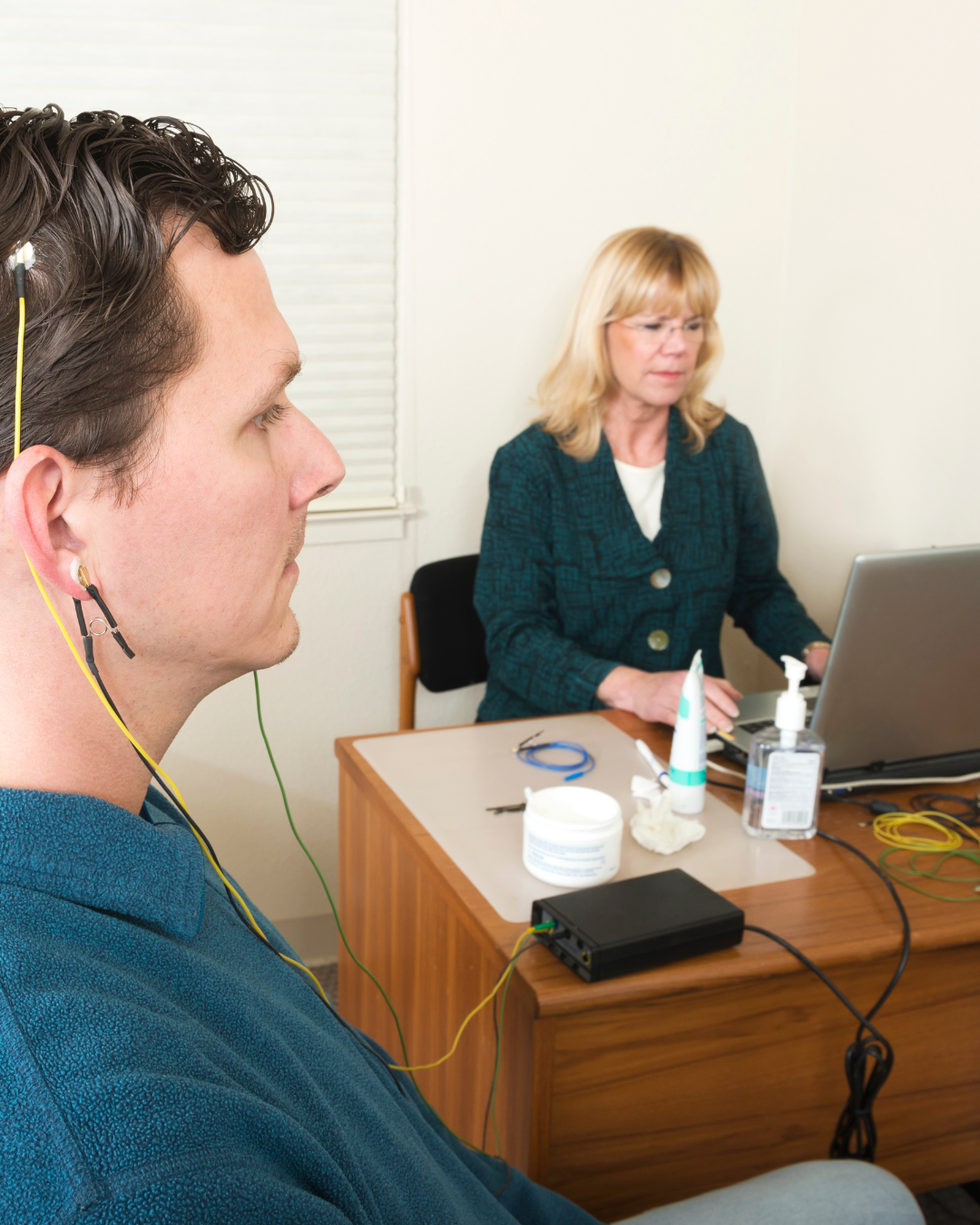
Neurofeedback: qEEG brain mapping often reveals specific brainwave patterns in panic-prone individuals, typically excessive fast-wave activity (high beta) in regions associated with threat detection and emotional processing. Targeted Neurofeedback training can help the brain produce calmer, more balanced electrical patterns, raising the threshold for panic activation. This is a medication-free approach that produces lasting neurological change.
Brainspotting: Accesses the subcortical brain where the amygdala’s conditioning is stored. Particularly effective for panic that seems to have no identifiable trigger, suggesting the conditioning is stored below conscious awareness.

Panic Disorder vs. Panic Attacks
A single panic attack is common and does not necessarily indicate a disorder. Panic disorder is diagnosed when panic attacks are recurrent, at least some are unexpected (not triggered by an obvious stimulus), and the person develops persistent worry about future attacks or changes their behavior to avoid them. The avoidance pattern, restricting where you go, what you do, or who you are with to prevent a panic attack, can become more debilitating than the attacks themselves.
If panic attacks are driving you to avoid situations, places, or activities, professional treatment can help break this cycle. The longer avoidance patterns persist, the more entrenched they become and the more life narrows. Early intervention produces the best outcomes.
Getting Help for Panic Attacks in Houston
If panic attacks are affecting your quality of life, you do not have to accept them as your new normal. Treatment that targets the nervous system directly, through EMDR, Somatic Experiencing, Neurofeedback, or Brainspotting, can address the root cause and produce lasting resolution rather than ongoing symptom management.
At Connect Clinical Services (8100 Washington Ave, Suite 170, Houston TX 77007), our Clinical Director assesses the underlying drivers of your panic during a free consultation and recommends the most appropriate combination of approaches. Whether your panic is rooted in trauma, chronic stress, a sensitized nervous system, or a conditioned response, we have the modalities to address it at the neurological level.
We serve clients from The Heights, Montrose, and Upper Kirby, River Oaks, West University, and Bellaire, Memorial and the Energy Corridor, and all of Texas via telehealth. We are private-pay with superbills for out-of-network insurance reimbursement. Visit our costs page for current rates. Call (713) 564-5146 or request a consultation.



Schedule Your Free Consultation
Speak with our care team about your specific situation. No obligation. Our care team aims to call you back the same business day.
Or call: (713) 564-5146 • 8100 Washington Ave, Suite 170, Houston TX 77007
Ready to Take the Next Step?
Learn more about Anxiety Therapy in Houston at Connect Clinical Services, or call (713) 564-5146. Serving The Heights, River Oaks, Memorial, and all of Houston. Visit our FAQ page for more answers.
Frequently Asked Questions
What causes panic attacks?
Can therapy stop panic attacks permanently?
What is the best therapy for panic attacks?
How is panic disorder different from panic attacks?
Can EMDR help with panic attacks?
Is Neurofeedback effective for panic?
About the Author: Guy Bender, LPC, is the Clinical Director of Connect Clinical Services in Houston, TX. He specializes in trauma-focused therapy using EMDR, Brainspotting, Internal Family Systems, and Neurofeedback. 8100 Washington Ave, Suite 170, Houston TX 77007. (713) 564-5146.
Have More Questions?
Our care team offers a free 15-minute consultation to talk through which approach fits your situation.
Call directly: (713) 564-5146
EMDR Therapy Brainspotting Somatic Experiencing Neurofeedback Trauma Therapy PTSD Treatment Anxiety Therapy Depression Therapy Teen Therapy Couples Therapy Intensive Programs Group Therapy Our Costs Insurance FAQs Contact Us
Last reviewed April 2026 by Guy Bender, LPC, Clinical Director. Connect Clinical Services, 8100 Washington Ave, Suite 170, Houston TX 77007. (713) 564-5146.