
Connect Clinical Services | Houston, TX
Seasonal Depression Treatment in Houston: Therapy Options for Seasonal Affective Disorder
By Guy Bender, LPC, Clinical Director | Published April 2026 | About the Author
Seasonal Affective Disorder (SAD) is a form of depression that follows a seasonal pattern, most commonly emerging in fall and winter as daylight hours decrease. While Houston’s mild winters mean less extreme seasonal light changes than northern cities, seasonal depression still affects many Houston residents. The good news: effective treatment exists, and it does not have to mean medication alone.
Understanding Seasonal Depression
Seasonal Affective Disorder is not just “winter blues” or a temporary mood dip that everyone experiences. It is a clinically recognized form of depression with a predictable seasonal pattern. The primary driver is reduced exposure to natural light, which disrupts the brain’s production of serotonin (mood regulation) and melatonin (sleep regulation), and can desynchronize circadian rhythms.
Symptoms include persistent low mood, loss of interest in activities you normally enjoy, fatigue and low energy despite adequate sleep, increased appetite (particularly carbohydrate cravings), weight gain, social withdrawal, difficulty concentrating, and a heavy, leaden feeling in the arms or legs. In Houston’s climate, seasonal depression may be milder than in northern latitudes but is still significant enough to impair daily functioning and quality of life for many people.
Evidence-Based Treatment Options
Light Therapy: Bright light therapy (10,000 lux light box for 20 to 30 minutes each morning) is a first-line treatment for SAD. It works by supplementing the reduced natural light and helping reset circadian rhythms. Many people notice improvement within one to two weeks. Light therapy tends to work better when used consistently throughout the symptomatic season.
Cognitive Behavioral Therapy for SAD (CBT-SAD): A specialized form of CBT adapted for seasonal depression. It addresses the behavioral withdrawal patterns (staying inside, reducing activities, social isolation) and negative cognitions (“winter is horrible,” “I can’t function in this weather”) that worsen seasonal mood drops. Research shows CBT-SAD may actually produce better long-term outcomes than light therapy alone because it teaches skills that carry forward to subsequent seasons.
Medication: Your physician may recommend antidepressant medication, particularly SSRIs, for moderate to severe SAD. Some physicians prescribe bupropion (Wellbutrin) preventively before the symptomatic season begins. Medication decisions should be made with your prescribing physician based on your individual clinical picture.
How Neurofeedback and Other Therapy Approaches Can Help
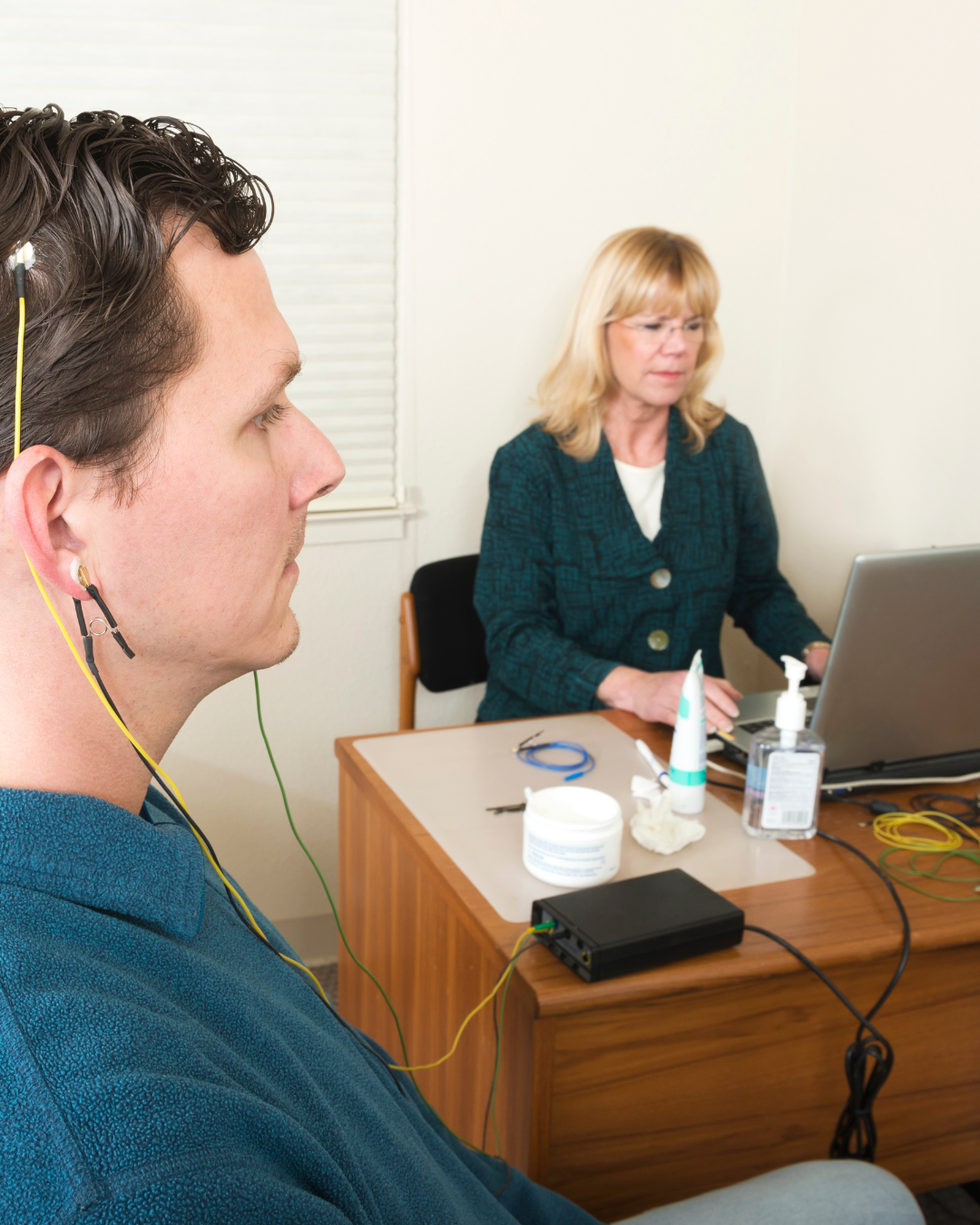
Neurofeedback: Seasonal depression involves measurable changes in brainwave activity. qEEG brain mapping can identify the specific patterns associated with your depressive presentation, such as frontal alpha asymmetry or excessive slow-wave activity. Targeted Neurofeedback training teaches the brain to produce more balanced patterns. Because Neurofeedback creates lasting neurological change through neuroplasticity, it may help the brain maintain more stable mood regulation across seasonal transitions.
EMDR and Brainspotting: When seasonal depression co-occurs with unresolved trauma, anxiety, or grief, these deeper issues can amplify the seasonal mood drop. Processing underlying material with EMDR or Brainspotting can reduce the overall emotional burden, making the nervous system more resilient to seasonal changes.
Somatic Experiencing: The physical heaviness, fatigue, and withdrawal that characterize seasonal depression live in the body. Somatic approaches can help mobilize energy, release the physical “stuck” quality of depression, and reactivate the body’s natural vitality even during low-light months.

Lifestyle Factors That Support Treatment
Therapy and medical treatment tend to work better when supported by lifestyle adjustments: maximize natural light exposure by spending time outside during daylight hours, especially in the morning. Maintain regular exercise, which has strong evidence for mood improvement. Prioritize consistent sleep schedules to support circadian rhythm stability, even on weekends when the temptation to oversleep can disrupt your rhythm further. Stay socially connected, as isolation compounds seasonal depression. Consider vitamin D supplementation after discussing with your physician, as many Houston residents are deficient despite the climate. Limit alcohol consumption, as alcohol is a central nervous system depressant that can worsen seasonal mood changes. Practice mindfulness or meditation to maintain present-moment awareness and reduce rumination, which is a common feature of seasonal depression that amplifies the mood drop.
When to Seek Professional Help
If seasonal mood changes are affecting your work performance, your relationships, your daily functioning, your motivation, or your overall quality of life, professional treatment can help. You are not being dramatic and you are not making it up. The neurobiological mechanisms behind seasonal depression are well-documented in research, and effective treatment approaches exist. Seasonal depression is a real, clinically recognized condition that responds well to appropriate intervention. You do not need to wait until symptoms become severe. Early intervention often produces faster and more complete recovery.
At Connect Clinical Services in Houston (8100 Washington Ave, Suite 170), our Clinical Director can assess your specific situation during a free consultation and discuss whether our approaches, including Neurofeedback, EMDR, Brainspotting, and Somatic Experiencing, may be appropriate for your needs. We serve The Heights, River Oaks, West University, Bellaire, Memorial, Montrose, Upper Kirby, and all of Texas via telehealth. Call (713) 564-5146 or request a consultation. Visit our costs page for pricing and our insurance page for reimbursement details.



Schedule Your Free Consultation
Speak with our care team about your specific situation. No obligation. Our care team aims to call you back the same business day.
Or call: (713) 564-5146 • 8100 Washington Ave, Suite 170, Houston TX 77007
Ready to Take the Next Step?
Learn more about Depression Therapy in Houston at Connect Clinical Services, or call (713) 564-5146. Serving The Heights, River Oaks, Memorial, and all of Houston. Visit our FAQ page for more answers.
Frequently Asked Questions
What is seasonal depression?
What is the best treatment for seasonal depression?
Does seasonal depression happen in Houston?
Can Neurofeedback help seasonal depression?
How long does seasonal depression treatment take?
Is seasonal depression the same as regular depression?
About the Author: Guy Bender, LPC, is the Clinical Director of Connect Clinical Services in Houston, TX. He specializes in trauma-focused therapy using EMDR, Brainspotting, Internal Family Systems, and Neurofeedback. 8100 Washington Ave, Suite 170, Houston TX 77007. (713) 564-5146.
Have More Questions?
Our care team offers a free 15-minute consultation to talk through which approach fits your situation.
Call directly: (713) 564-5146
EMDR Therapy Brainspotting Somatic Experiencing Neurofeedback Trauma Therapy PTSD Treatment Anxiety Therapy Depression Therapy Teen Therapy Couples Therapy Intensive Programs Group Therapy Our Costs Insurance FAQs Contact Us
Last reviewed April 2026 by Guy Bender, LPC, Clinical Director. Connect Clinical Services, 8100 Washington Ave, Suite 170, Houston TX 77007. (713) 564-5146.